


Additional
Additional
Lesson 31 : Valid Candle 4
Lesson 31 : Valid Candle 4
Lesson 31 : Valid Candle 4
Beginner
Beginner
1 min
1 min
When to Trade Candle 4
When to Trade Candle 4
When to Trade Candle 4
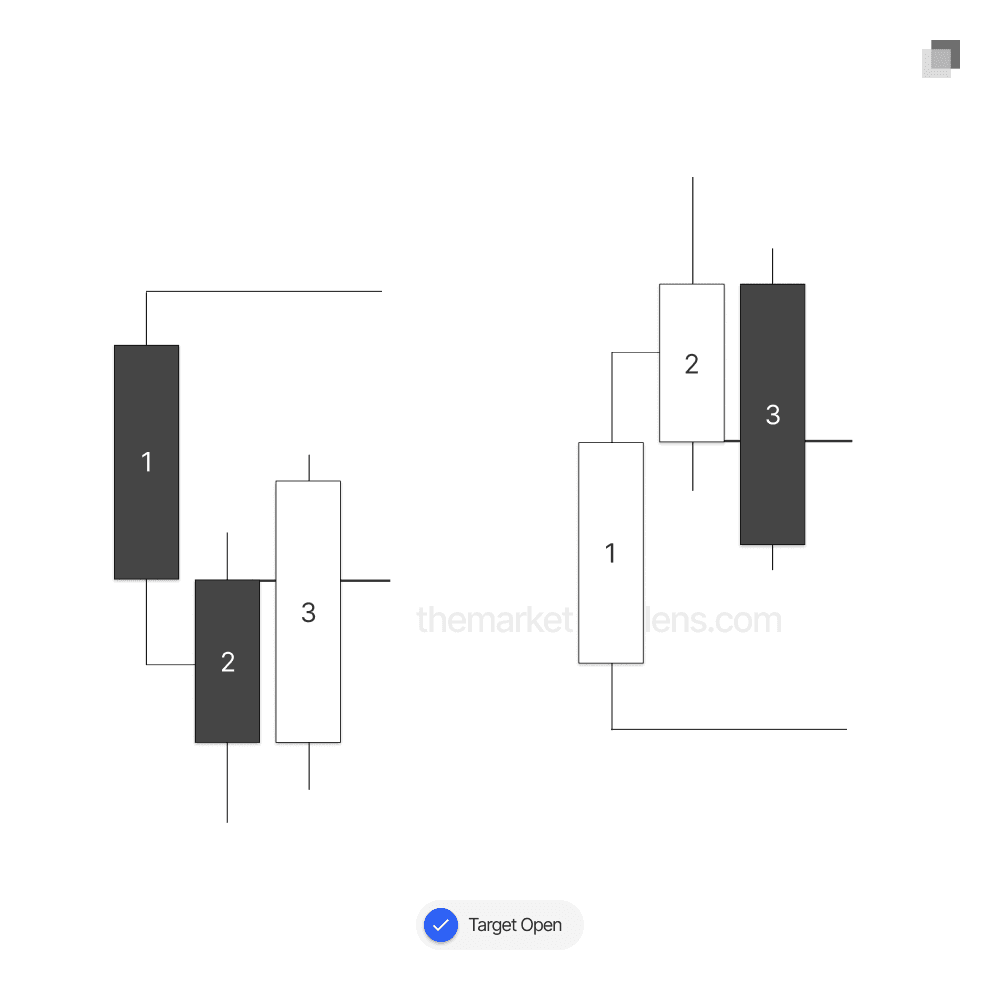
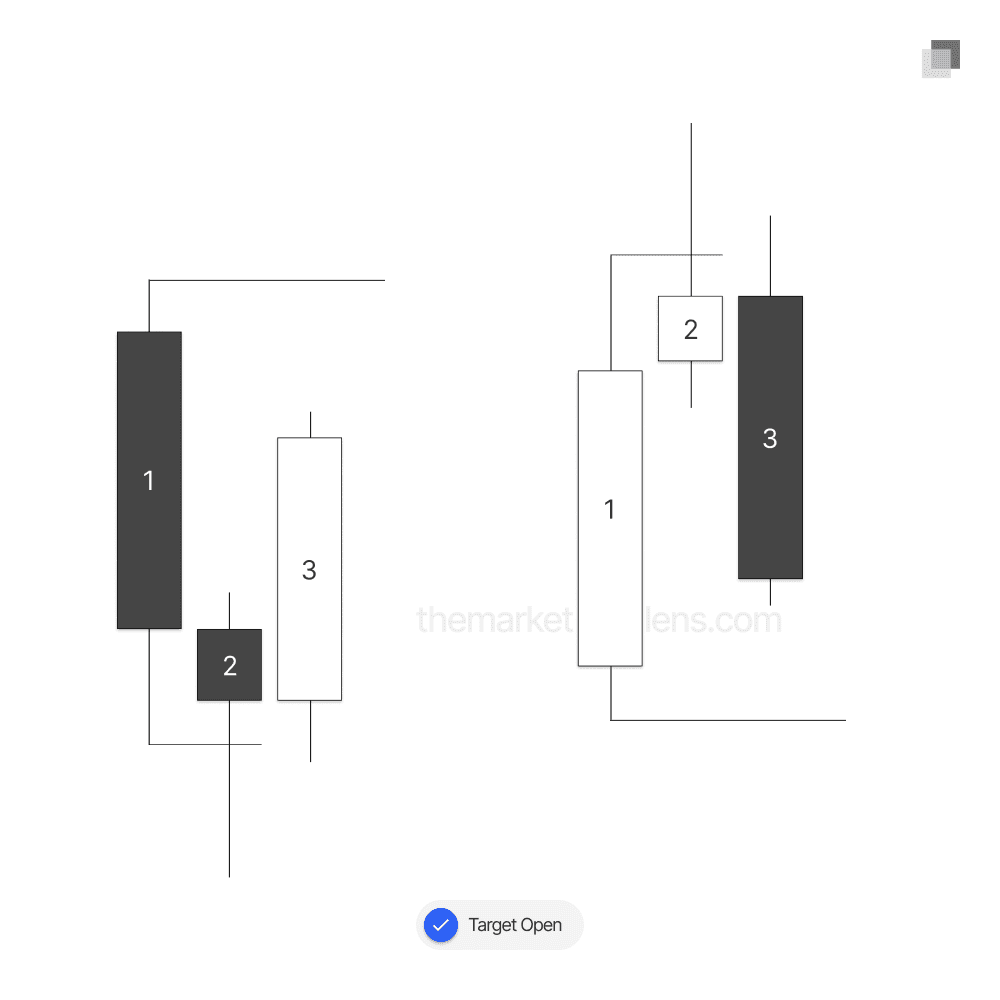
The best trades often come within candle 3, but candle 4 can still present strong opportunities under specific conditions. Candle 4 should be traded when short-term targets remain open and provide sufficient risk-to-reward to those targets. In the example shown, both the candle 2 and candle 3 closures leave targets open, and these targets can be reached with favorable risk-to-reward setups on the lower timeframes.
The best trades often come within candle 3, but candle 4 can still present strong opportunities under specific conditions. Candle 4 should be traded when short-term targets remain open and provide sufficient risk-to-reward to those targets. In the example shown, both the candle 2 and candle 3 closures leave targets open, and these targets can be reached with favorable risk-to-reward setups on the lower timeframes.
The best trades often come within candle 3, but candle 4 can still present strong opportunities under specific conditions. Candle 4 should be traded when short-term targets remain open and provide sufficient risk-to-reward to those targets. In the example shown, both the candle 2 and candle 3 closures leave targets open, and these targets can be reached with favorable risk-to-reward setups on the lower timeframes.
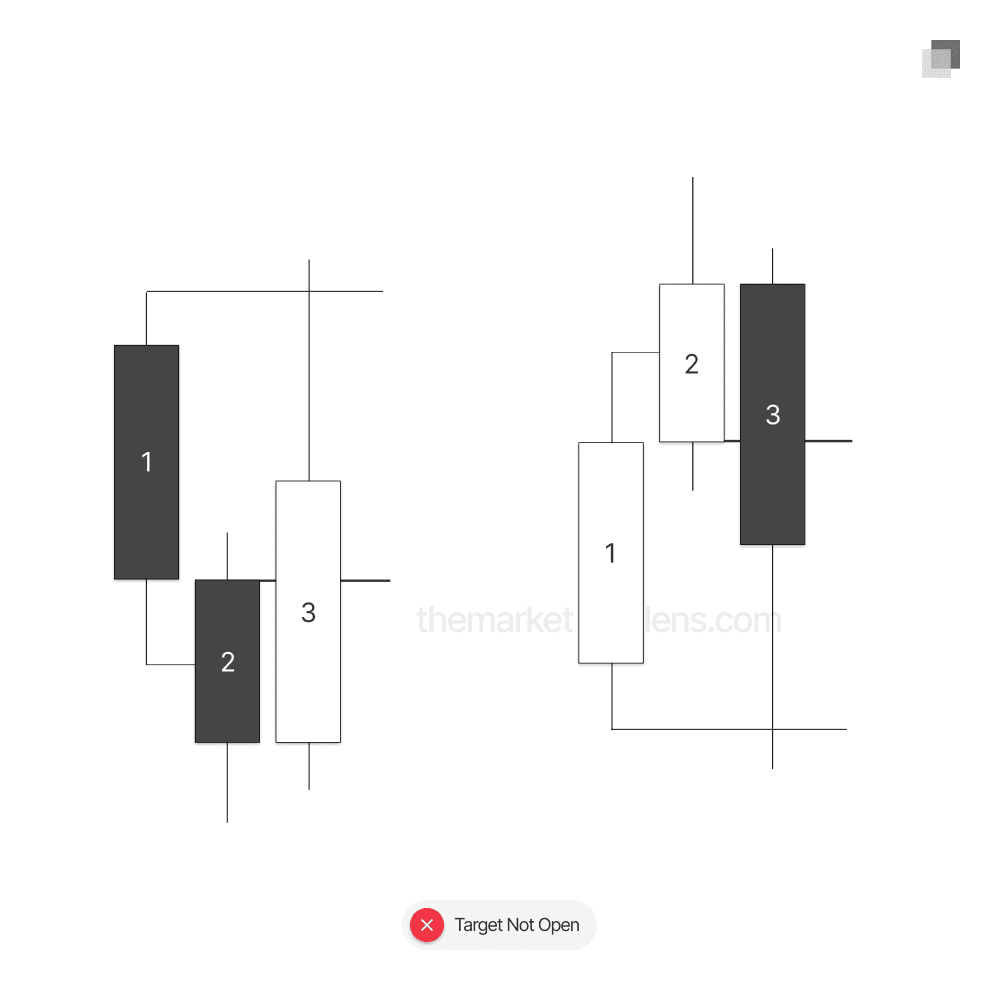
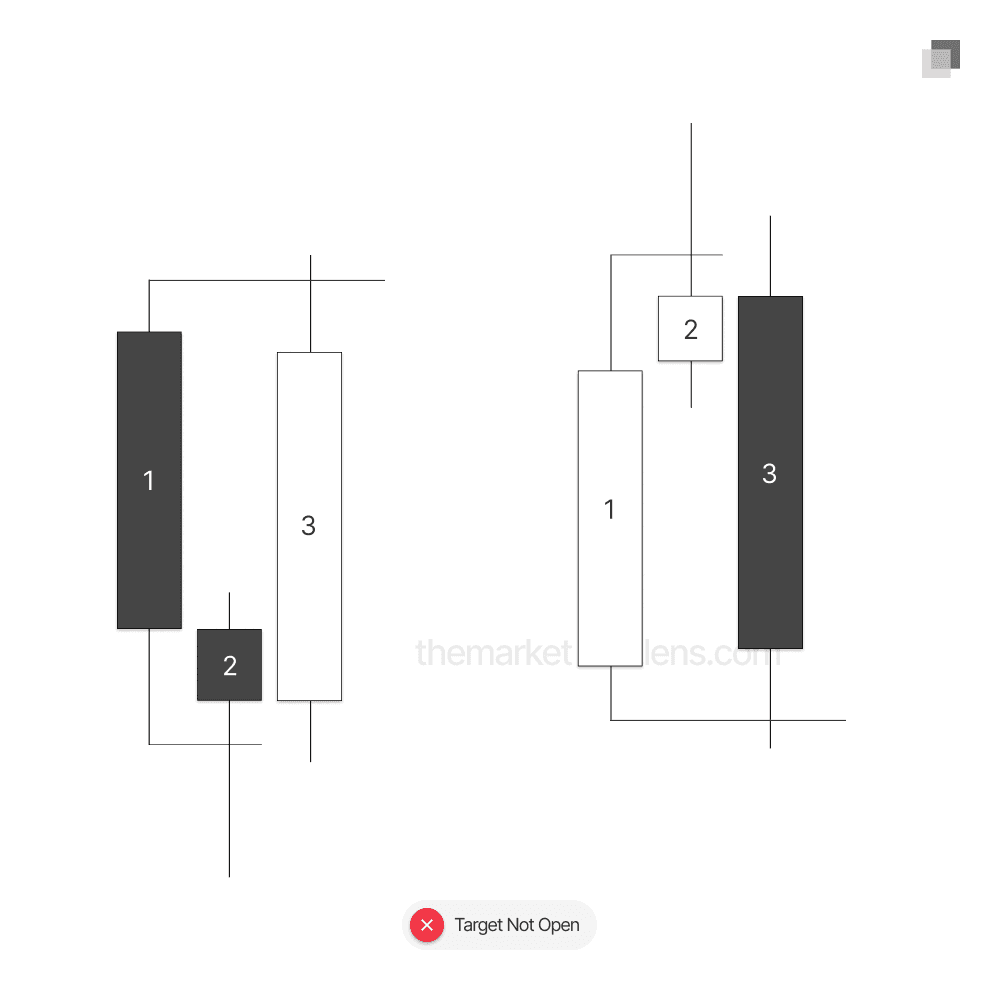
Below are scenarios when candle 4 should be avoided. If candle 3 has already produced a large expansion or reached its short-term targets, the setup becomes less favorable. After price takes out a high or low, it can enter a new phase of price, which increases the likelihood of consolidation, retracement, or reversal rather than clean continuation.
Below are scenarios when candle 4 should be avoided. If candle 3 has already produced a large expansion or reached its short-term targets, the setup becomes less favorable. After price takes out a high or low, it can enter a new phase of price, which increases the likelihood of consolidation, retracement, or reversal rather than clean continuation.
Below are scenarios when candle 4 should be avoided. If candle 3 has already produced a large expansion or reached its short-term targets, the setup becomes less favorable. After price takes out a high or low, it can enter a new phase of price, which increases the likelihood of consolidation, retracement, or reversal rather than clean continuation.

The standard for trading education and guidance
2026 The Market Lens - All Rights Reserved
The standard for trading education and guidance
2026 The Market Lens - All Rights Reserved
The standard for trading education and guidance