


Additional
Additional
Lesson 30 : Candle 3 Closure Type
Lesson 30 : Candle 3 Closure Type
Lesson 30 : Candle 3 Closure Type
Beginner
Beginner
1 min
1 min
Types of Candle 3 Closures
Types of Candle 3 Closures
Types of Candle 3 Closures
Candle 3 closures are more difficult to trade than candle 2 closures. It is best to focus on candle 2 closures first, and once those are mastered, then learn how to approach candle 3. The challenge with candle 3 closures is that they must close through the open of candle 2, which requires some form of expansion. Trading after expansion is inherently more difficult. For this reason, the ideal scenario is for candle 3 to close strongly, but not expand so far that it increases the likelihood of getting caught in consolidation, retracement, or reversal.
Candle 3 closures are more difficult to trade than candle 2 closures. It is best to focus on candle 2 closures first, and once those are mastered, then learn how to approach candle 3. The challenge with candle 3 closures is that they must close through the open of candle 2, which requires some form of expansion. Trading after expansion is inherently more difficult. For this reason, the ideal scenario is for candle 3 to close strongly, but not expand so far that it increases the likelihood of getting caught in consolidation, retracement, or reversal.
Candle 3 closures are more difficult to trade than candle 2 closures. It is best to focus on candle 2 closures first, and once those are mastered, then learn how to approach candle 3. The challenge with candle 3 closures is that they must close through the open of candle 2, which requires some form of expansion. Trading after expansion is inherently more difficult. For this reason, the ideal scenario is for candle 3 to close strongly, but not expand so far that it increases the likelihood of getting caught in consolidation, retracement, or reversal.
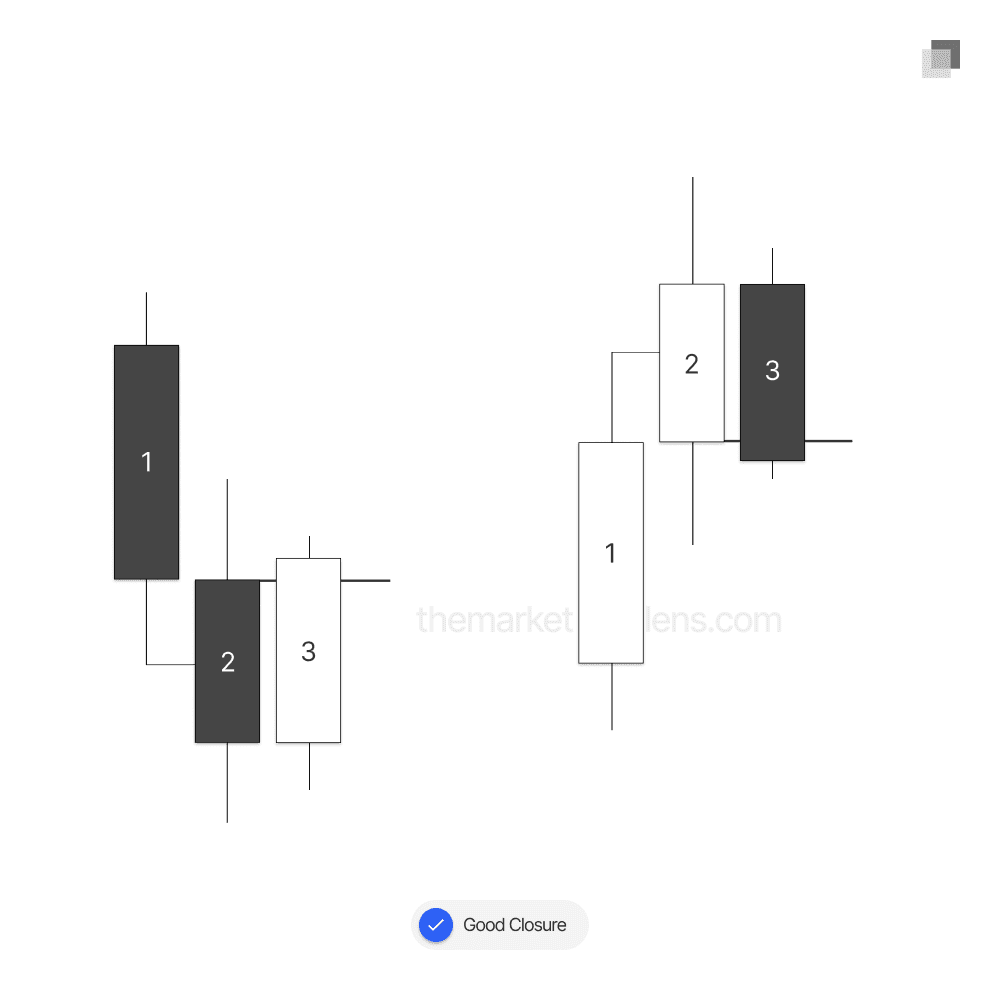
Here you can see that candle 3 closes strongly through the opening price of candle 2, but it has not yet expanded significantly or reached any meaningful targets. This represents the ideal scenario to trade the candle 4 continuation following a candle 3 closure.
Here you can see that candle 3 closes strongly through the opening price of candle 2, but it has not yet expanded significantly or reached any meaningful targets. This represents the ideal scenario to trade the candle 4 continuation following a candle 3 closure.
Here you can see that candle 3 closes strongly through the opening price of candle 2, but it has not yet expanded significantly or reached any meaningful targets. This represents the ideal scenario to trade the candle 4 continuation following a candle 3 closure.
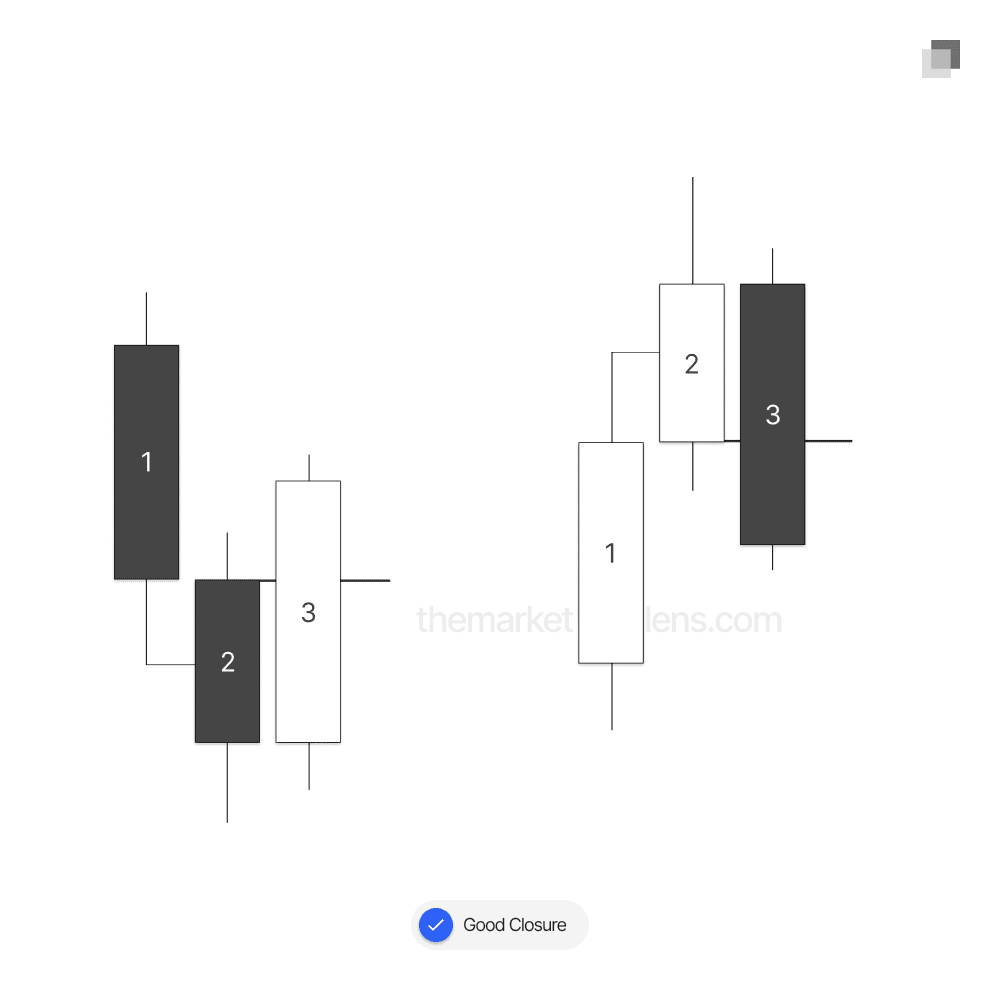
This is the second scenario where it is ideal to trade the candle 4 continuation. In this case, candle 3 closes strongly through the open of candle 2 while also engulfing the entire range of candle 2. Since there are still open targets, this setup is valid for seeking continuation in candle 4.
This is the second scenario where it is ideal to trade the candle 4 continuation. In this case, candle 3 closes strongly through the open of candle 2 while also engulfing the entire range of candle 2. Since there are still open targets, this setup is valid for seeking continuation in candle 4.
This is the second scenario where it is ideal to trade the candle 4 continuation. In this case, candle 3 closes strongly through the open of candle 2 while also engulfing the entire range of candle 2. Since there are still open targets, this setup is valid for seeking continuation in candle 4.
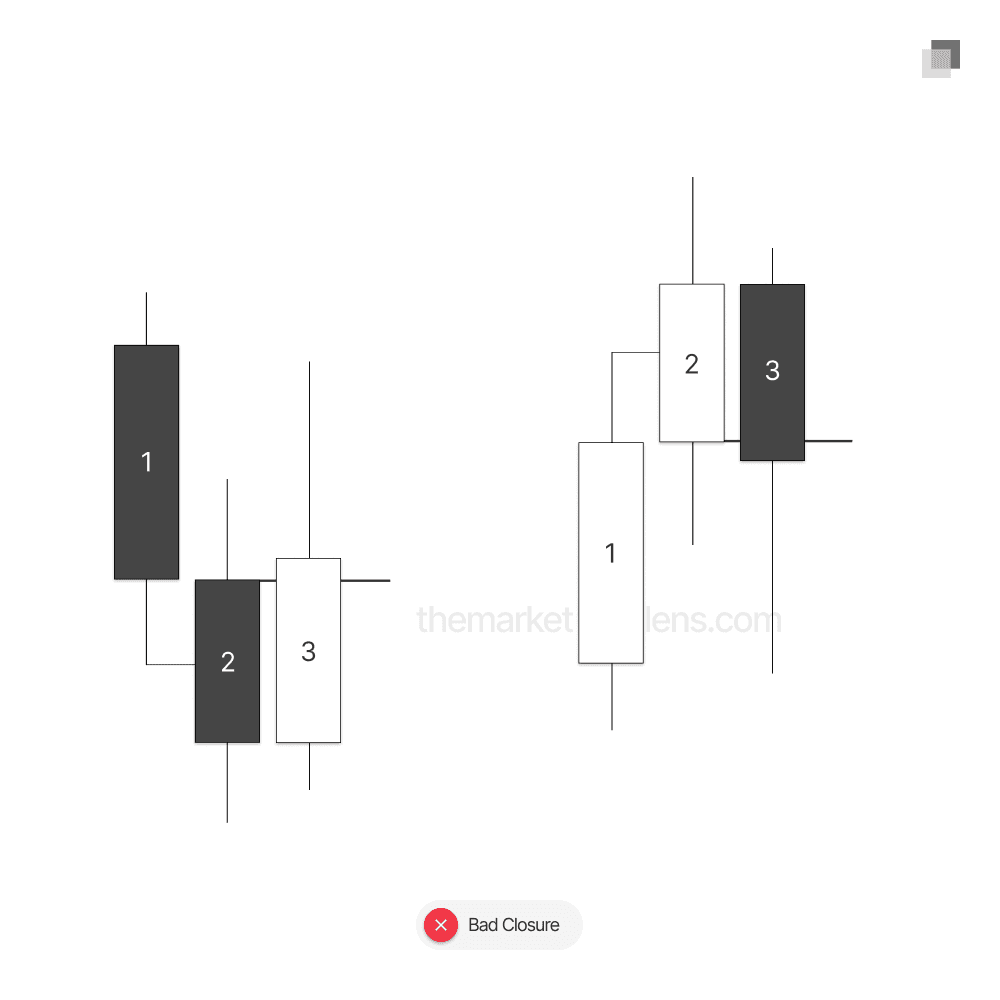
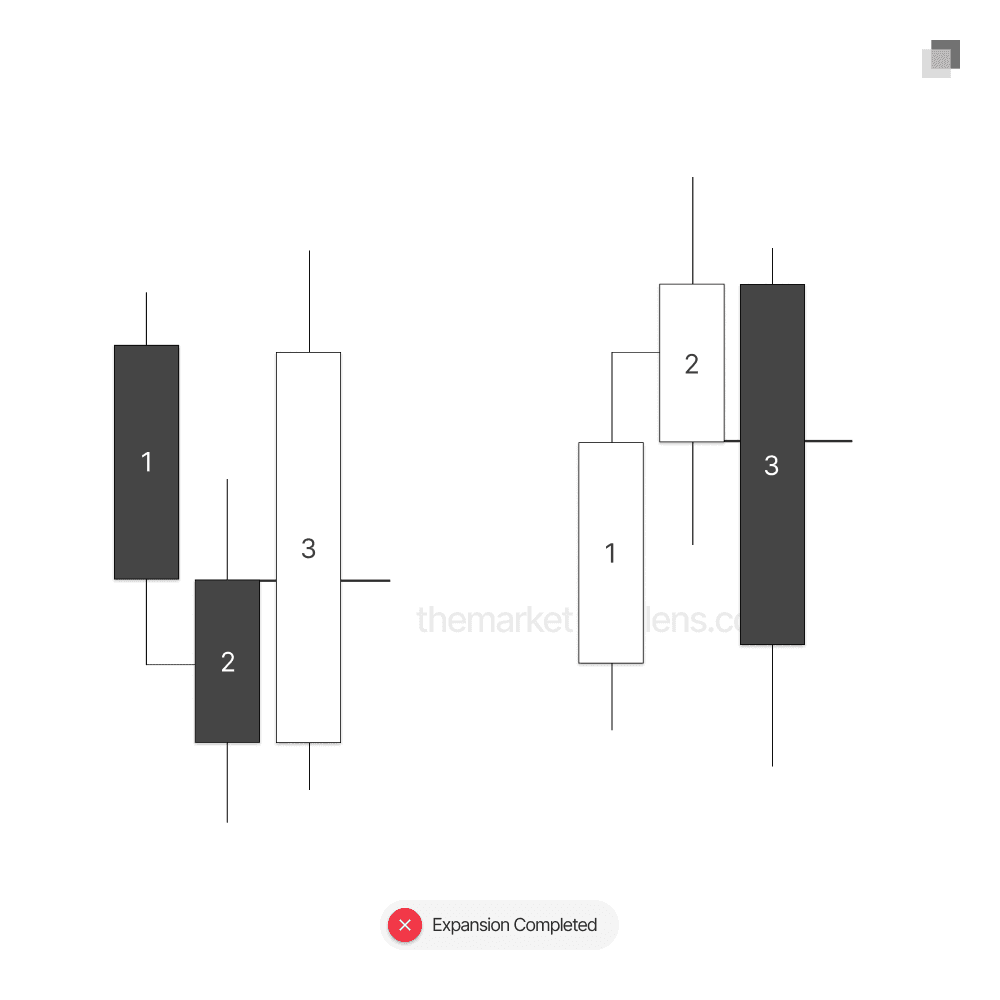
Below are scenarios where it is not ideal to trade the candle 4 continuation following a candle 3 closure. In the first example, candle 3 creates a candle 2 closure with a large opposing wick, which works against the continuation idea. In the second example, candle 3 has already completed its expansion by taking out candle 1’s low. While this setup can still be traded, it presents less-than-ideal circumstances for a meaningful expansion to occur.
Below are scenarios where it is not ideal to trade the candle 4 continuation following a candle 3 closure. In the first example, candle 3 creates a candle 2 closure with a large opposing wick, which works against the continuation idea. In the second example, candle 3 has already completed its expansion by taking out candle 1’s low. While this setup can still be traded, it presents less-than-ideal circumstances for a meaningful expansion to occur.
Below are scenarios where it is not ideal to trade the candle 4 continuation following a candle 3 closure. In the first example, candle 3 creates a candle 2 closure with a large opposing wick, which works against the continuation idea. In the second example, candle 3 has already completed its expansion by taking out candle 1’s low. While this setup can still be traded, it presents less-than-ideal circumstances for a meaningful expansion to occur.

The standard for trading education and guidance
2026 The Market Lens - All Rights Reserved
The standard for trading education and guidance
2026 The Market Lens - All Rights Reserved
The standard for trading education and guidance