


Execution
Execution
Lesson 23 : Intracandle CISD
Lesson 23 : Intracandle CISD
Lesson 23 : Intracandle CISD
Beginner
Beginner
2 min
2 min
Intracandle CISD (IC-CISD)
Intracandle CISD (IC-CISD)
Intracandle CISD (IC-CISD)
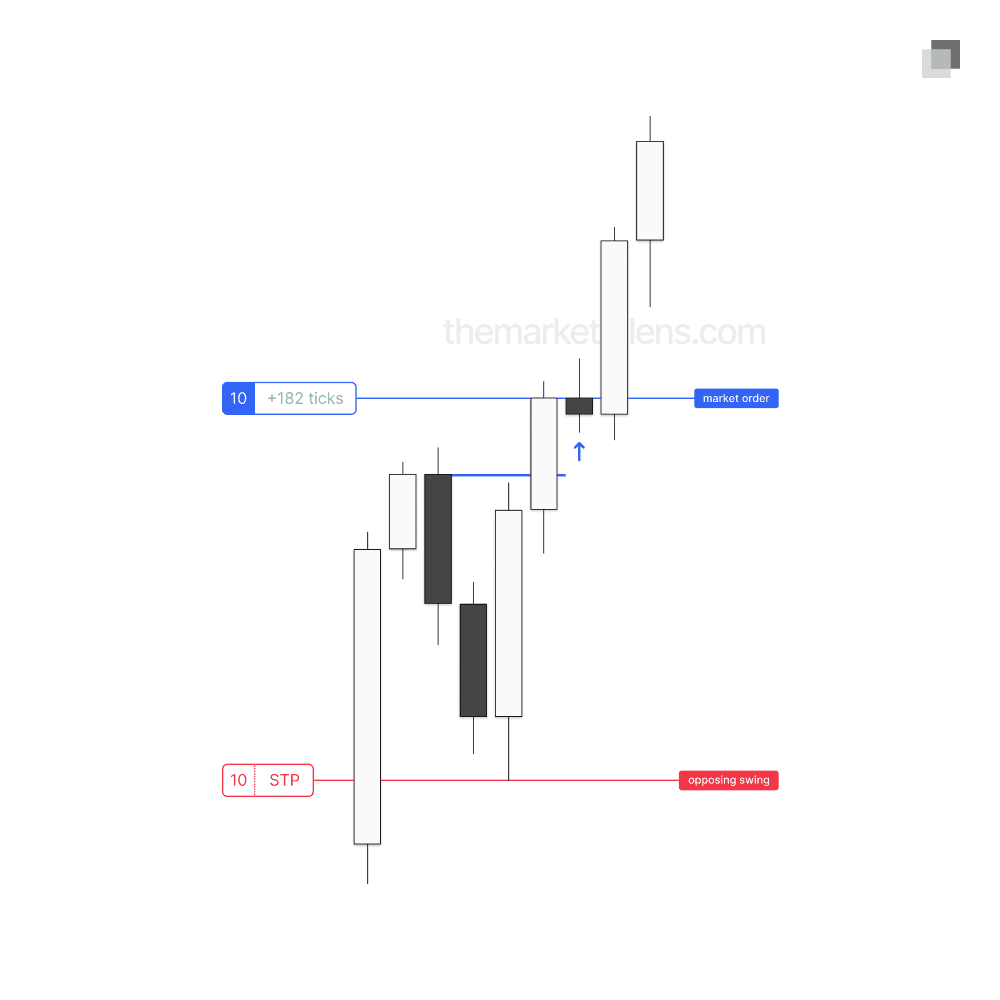
With the T-spot indicating where a higher timeframe wick is likely to form, the question becomes how to confirm that the wick has indeed formed. Similar to how a CISD is used to validate a reversal and swing point, an Intra-candle CISD (IC-CISD) is used to confirm that the wick has developed within the higher timeframe candle. This involves waiting for an opposing candle formation within the specific higher timeframe candle being traded.
With the T-spot indicating where a higher timeframe wick is likely to form, the question becomes how to confirm that the wick has indeed formed. Similar to how a CISD is used to validate a reversal and swing point, an Intra-candle CISD (IC-CISD) is used to confirm that the wick has developed within the higher timeframe candle. This involves waiting for an opposing candle formation within the specific higher timeframe candle being traded.
With the T-spot indicating where a higher timeframe wick is likely to form, the question becomes how to confirm that the wick has indeed formed. Similar to how a CISD is used to validate a reversal and swing point, an Intra-candle CISD (IC-CISD) is used to confirm that the wick has developed within the higher timeframe candle. This involves waiting for an opposing candle formation within the specific higher timeframe candle being traded.
For example, if trading candle 3, wait for an opposing candle to form within candle 3. If trading candle 4, wait for an opposing candle to form within candle 4.
For example, if trading candle 3, wait for an opposing candle to form within candle 3. If trading candle 4, wait for an opposing candle to form within candle 4.
For example, if trading candle 3, wait for an opposing candle to form within candle 3. If trading candle 4, wait for an opposing candle to form within candle 4.
This process allows the upper or lower wick of the expansion candle to fully form, enabling the trader to capture the expansion move represented by the body of the candle, rather than attempting to pick the exact high or low.
This process allows the upper or lower wick of the expansion candle to fully form, enabling the trader to capture the expansion move represented by the body of the candle, rather than attempting to pick the exact high or low.
This process allows the upper or lower wick of the expansion candle to fully form, enabling the trader to capture the expansion move represented by the body of the candle, rather than attempting to pick the exact high or low.
Example
Example
Example
In this example, a candle 2 closure occurs with a lower timeframe CISD confirming the reversal. The T-spot is marked, representing the ideal area to identify a point of interest and where the wick is expected to form. However, a fair value gap is present just above the T-spot. In this case, price should tap into the FVG without closing above the T-spot. It is not necessary to attempt a limit order or trade this reversal, nor to try to capture the wick high of candle 3.
In this example, a candle 2 closure occurs with a lower timeframe CISD confirming the reversal. The T-spot is marked, representing the ideal area to identify a point of interest and where the wick is expected to form. However, a fair value gap is present just above the T-spot. In this case, price should tap into the FVG without closing above the T-spot. It is not necessary to attempt a limit order or trade this reversal, nor to try to capture the wick high of candle 3.
In this example, a candle 2 closure occurs with a lower timeframe CISD confirming the reversal. The T-spot is marked, representing the ideal area to identify a point of interest and where the wick is expected to form. However, a fair value gap is present just above the T-spot. In this case, price should tap into the FVG without closing above the T-spot. It is not necessary to attempt a limit order or trade this reversal, nor to try to capture the wick high of candle 3.
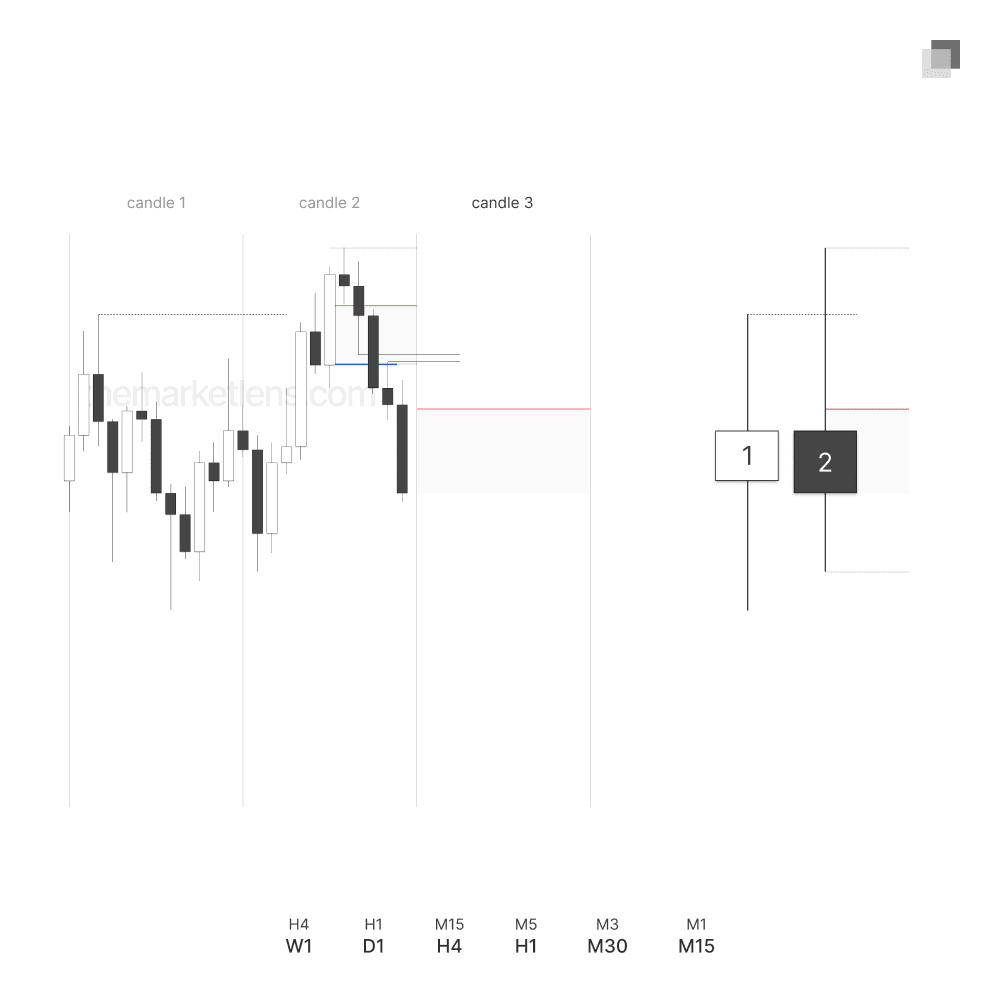
In this example, price reaches into the fair value gap and, importantly, does not close above the T-spot level. The entry sequence has formed, consisting of a swing formation followed by an opposing candle. This opposing candle formation within candle 3 represents the IC-CISD and confirms the development of the higher timeframe wick in candle 3. At this point, an entry can be taken with the stop placed on the protected swing, targeting an expansion move of 2R.
In this example, price reaches into the fair value gap and, importantly, does not close above the T-spot level. The entry sequence has formed, consisting of a swing formation followed by an opposing candle. This opposing candle formation within candle 3 represents the IC-CISD and confirms the development of the higher timeframe wick in candle 3. At this point, an entry can be taken with the stop placed on the protected swing, targeting an expansion move of 2R.
In this example, price reaches into the fair value gap and, importantly, does not close above the T-spot level. The entry sequence has formed, consisting of a swing formation followed by an opposing candle. This opposing candle formation within candle 3 represents the IC-CISD and confirms the development of the higher timeframe wick in candle 3. At this point, an entry can be taken with the stop placed on the protected swing, targeting an expansion move of 2R.
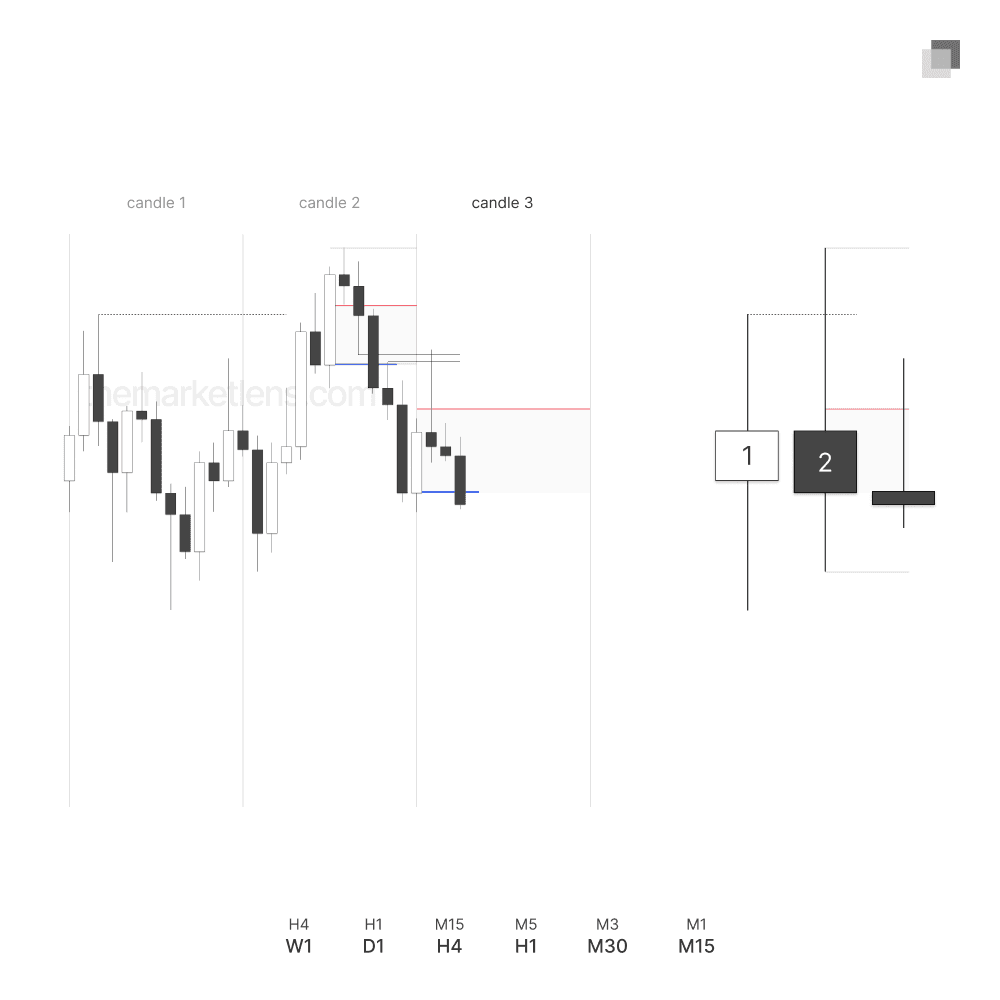
In this example, even if the IC-CISD entry is missed, another entry sequence forms within the continuation. This sequence creates a swing point followed by another opposing candle, providing both a continuation opportunity and a new invalidation level. Price expands lower.
In this example, even if the IC-CISD entry is missed, another entry sequence forms within the continuation. This sequence creates a swing point followed by another opposing candle, providing both a continuation opportunity and a new invalidation level. Price expands lower.
In this example, even if the IC-CISD entry is missed, another entry sequence forms within the continuation. This sequence creates a swing point followed by another opposing candle, providing both a continuation opportunity and a new invalidation level. Price expands lower.
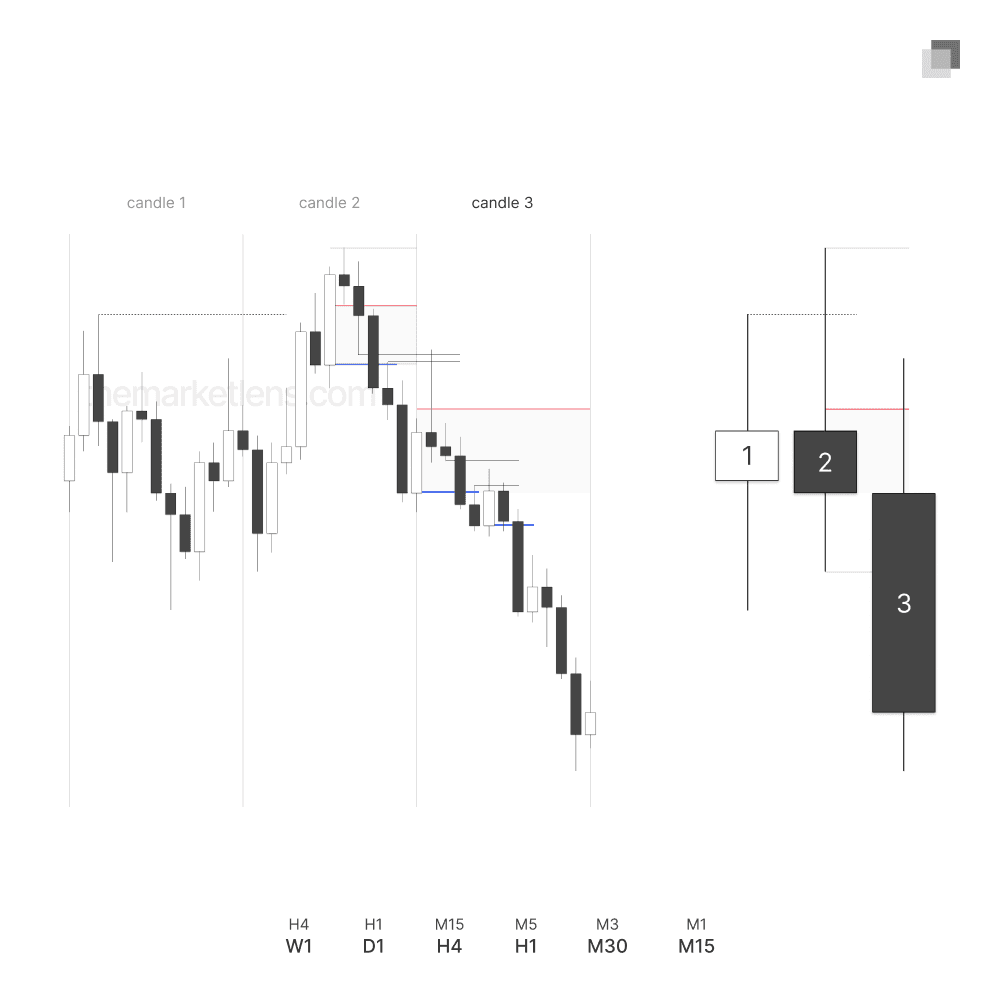
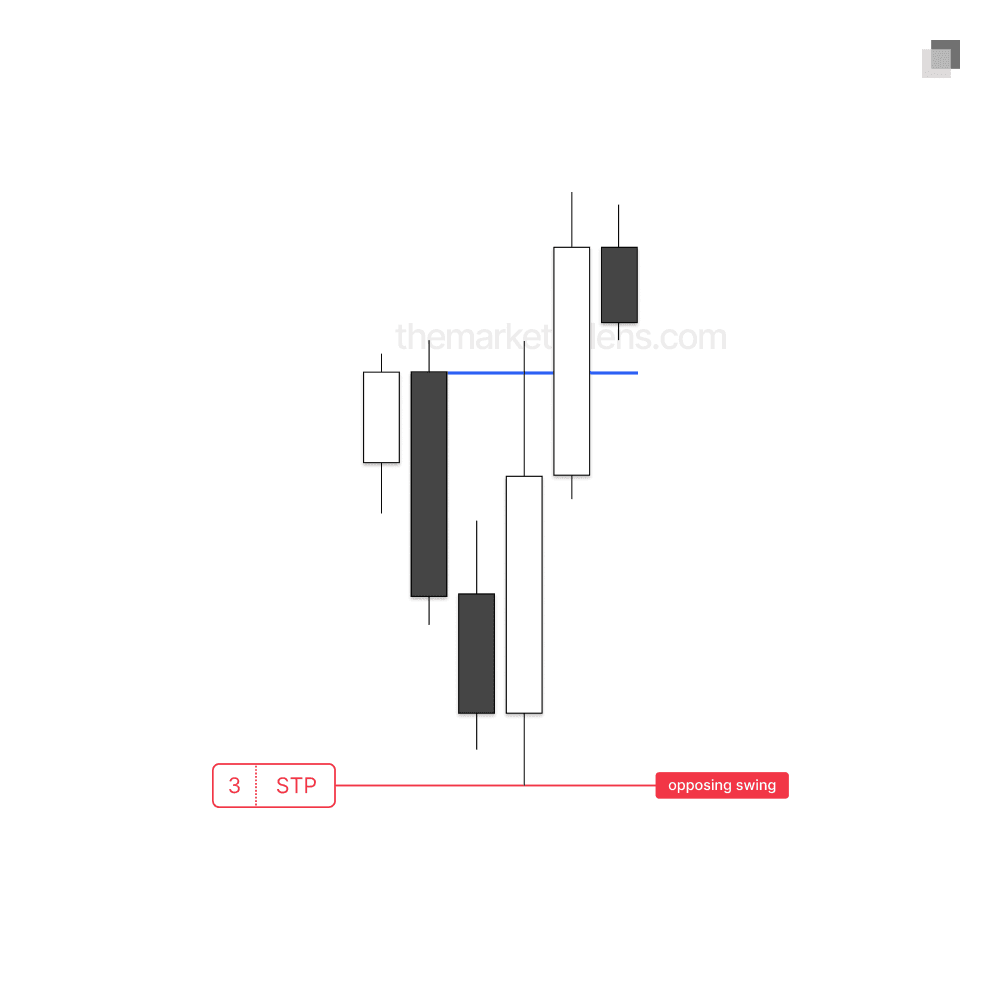
When taking an entry on the IC-CISD, the invalidation is defined by the protected swing. For further guidance, refer to the entry, stop loss, and market or limit order sections of the course.
When taking an entry on the IC-CISD, the invalidation is defined by the protected swing. For further guidance, refer to the entry, stop loss, and market or limit order sections of the course.
When taking an entry on the IC-CISD, the invalidation is defined by the protected swing. For further guidance, refer to the entry, stop loss, and market or limit order sections of the course.

The standard for trading education and guidance
2026 The Market Lens - All Rights Reserved
The standard for trading education and guidance
2026 The Market Lens - All Rights Reserved
The standard for trading education and guidance