


Management
Management
Lesson 8 : Trade Management
Lesson 8 : Trade Management
Lesson 8 : Trade Management
Beginner
Beginner
5 min
5 min
Position Setup
Position Setup
Position Setup
Trade management is where the money is made under any system. All prior steps can be executed correctly, but if the position is not managed properly to its objectives, the process will amount to nothing. The approach must remain strict and direct, allowing the market to play into your favor.
Trade management is where the money is made under any system. All prior steps can be executed correctly, but if the position is not managed properly to its objectives, the process will amount to nothing. The approach must remain strict and direct, allowing the market to play into your favor.
Trade management is where the money is made under any system. All prior steps can be executed correctly, but if the position is not managed properly to its objectives, the process will amount to nothing. The approach must remain strict and direct, allowing the market to play into your favor.
The hard work has already been completed once trade management begins. Here the main focus moves to ensuring the market is allowed to work as needed without stepping in the way. Micromanagement is a common mistake amongst traders and this fixed process is meant to avoid that.
The hard work has already been completed once trade management begins. Here the main focus moves to ensuring the market is allowed to work as needed without stepping in the way. Micromanagement is a common mistake amongst traders and this fixed process is meant to avoid that.
The hard work has already been completed once trade management begins. Here the main focus moves to ensuring the market is allowed to work as needed without stepping in the way. Micromanagement is a common mistake amongst traders and this fixed process is meant to avoid that.
Stop loss: Remains at the true invalidation point of the framework.
Stop loss: Remains at the true invalidation point of the framework.
Stop loss: Remains at the true invalidation point of the framework.
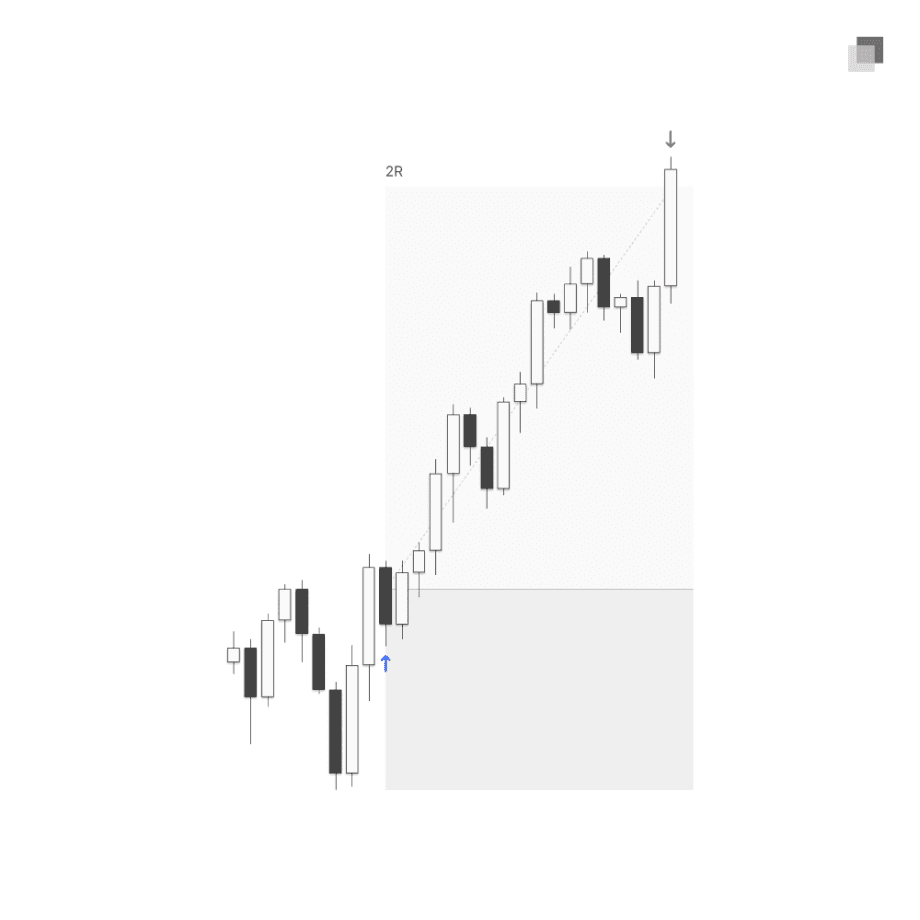
Profit target: Set at a 2 risk to reward or a price objective just beyond.
Profit target: Set at a 2 risk to reward or a price objective just beyond.
Profit target: Set at a 2 risk to reward or a price objective just beyond.
Price Objectives
Price Objectives
Price Objectives
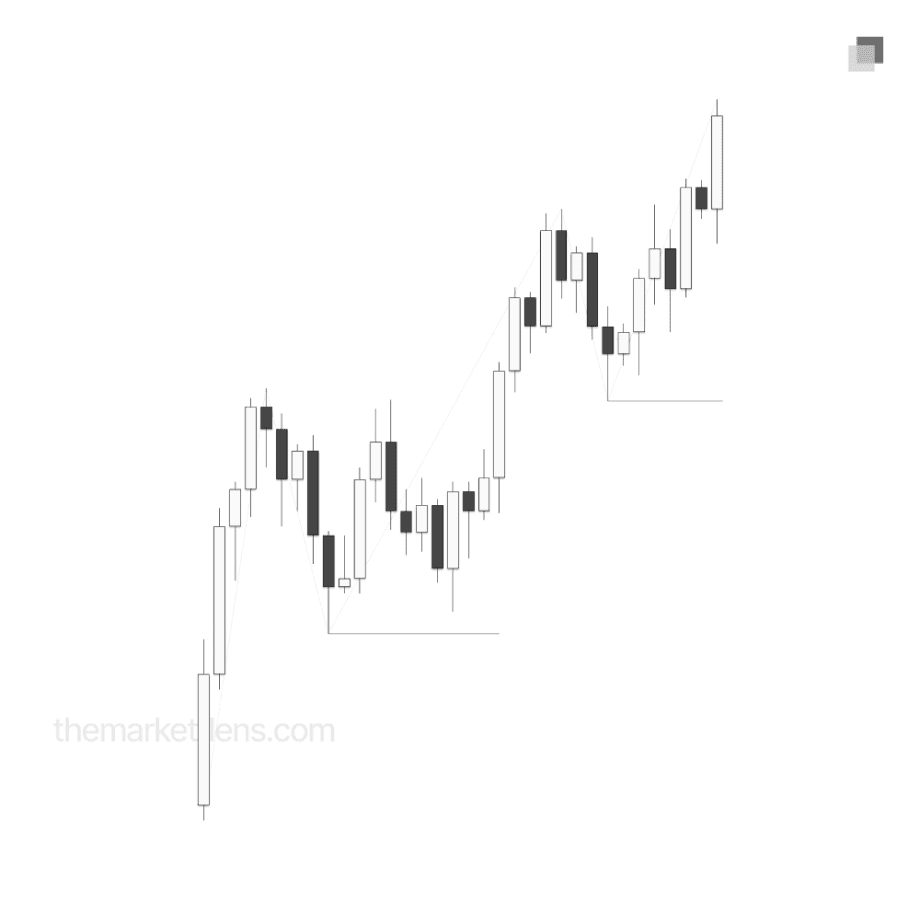
Price objectives in the market should remain simple. Focus on clear daily and hourly swings that exist on the left side of the chart, beyond the fixed 2R of your position. The framework being traded away from holds more weight than targets being traded into for scaling out.
Price objectives in the market should remain simple. Focus on clear daily and hourly swings that exist on the left side of the chart, beyond the fixed 2R of your position. The framework being traded away from holds more weight than targets being traded into for scaling out.
Price objectives in the market should remain simple. Focus on clear daily and hourly swings that exist on the left side of the chart, beyond the fixed 2R of your position. The framework being traded away from holds more weight than targets being traded into for scaling out.
Minimum Threshold to Management
Minimum Threshold to Management
Minimum Threshold to Management
The general expectation for trades under the Expansion Model is 2R, which is the point where scaling can begin. Active management does not start until a trade reaches 1.5R in profit. Everything before that point must remain hands-off, allowing price to either reach the 1.5R threshold where management becomes valid or move into the stop loss.
The general expectation for trades under the Expansion Model is 2R, which is the point where scaling can begin. Active management does not start until a trade reaches 1.5R in profit. Everything before that point must remain hands-off, allowing price to either reach the 1.5R threshold where management becomes valid or move into the stop loss.
The general expectation for trades under the Expansion Model is 2R, which is the point where scaling can begin. Active management does not start until a trade reaches 1.5R in profit. Everything before that point must remain hands-off, allowing price to either reach the 1.5R threshold where management becomes valid or move into the stop loss.
This rule prevents overmanagement, which often leads to prematurely being removed from a valid trade. While 2R and beyond remains the expected objective for every trade, management options such as trailing a stop loss or scaling the position become available at 1.5R if conditions warrant it.
This rule prevents overmanagement, which often leads to prematurely being removed from a valid trade. While 2R and beyond remains the expected objective for every trade, management options such as trailing a stop loss or scaling the position become available at 1.5R if conditions warrant it.
This rule prevents overmanagement, which often leads to prematurely being removed from a valid trade. While 2R and beyond remains the expected objective for every trade, management options such as trailing a stop loss or scaling the position become available at 1.5R if conditions warrant it.
The most simple and direct path will always be setting the stop loss and 2R profit target, then fully allowing the market to reach one of the two points.
The most simple and direct path will always be setting the stop loss and 2R profit target, then fully allowing the market to reach one of the two points.
The most simple and direct path will always be setting the stop loss and 2R profit target, then fully allowing the market to reach one of the two points.
Trailing Stop Loss
Trailing Stop Loss
Trailing Stop Loss
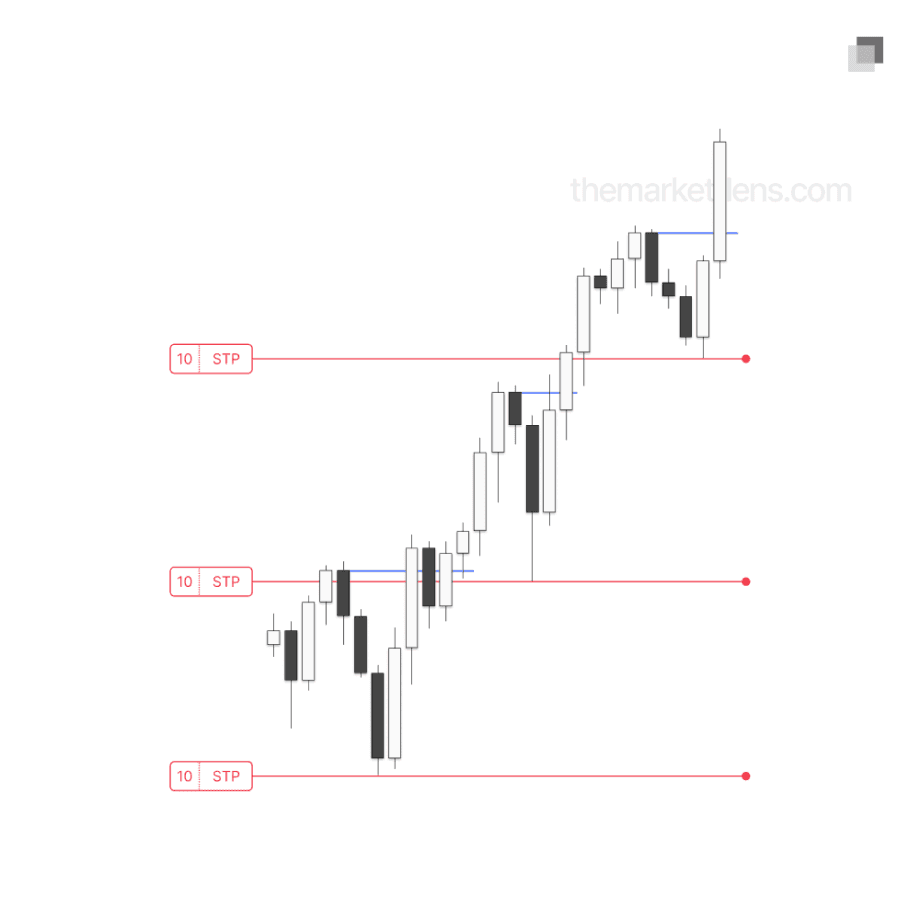
New invalidation points are formed as a trade moves into profit. Recall the logic established throughout this course that opposing close candles are respected during expansions once they are closed through. This same principle is applied to trailing stop losses toward objectives.
New invalidation points are formed as a trade moves into profit. Recall the logic established throughout this course that opposing close candles are respected during expansions once they are closed through. This same principle is applied to trailing stop losses toward objectives.
New invalidation points are formed as a trade moves into profit. Recall the logic established throughout this course that opposing close candles are respected during expansions once they are closed through. This same principle is applied to trailing stop losses toward objectives.
The focus should remain on opposing close candles with bulky bodies that are closed through in the continuation. Just as confluences can be added to continuation entries, they can also be applied to trailed stop losses to increase quality. These signatures apply most consistently to trade management on the 15-minute and 5-minute timeframes.
The focus should remain on opposing close candles with bulky bodies that are closed through in the continuation. Just as confluences can be added to continuation entries, they can also be applied to trailed stop losses to increase quality. These signatures apply most consistently to trade management on the 15-minute and 5-minute timeframes.
The focus should remain on opposing close candles with bulky bodies that are closed through in the continuation. Just as confluences can be added to continuation entries, they can also be applied to trailed stop losses to increase quality. These signatures apply most consistently to trade management on the 15-minute and 5-minute timeframes.
Poor Management Practices
Poor Management Practices
Poor Management Practices
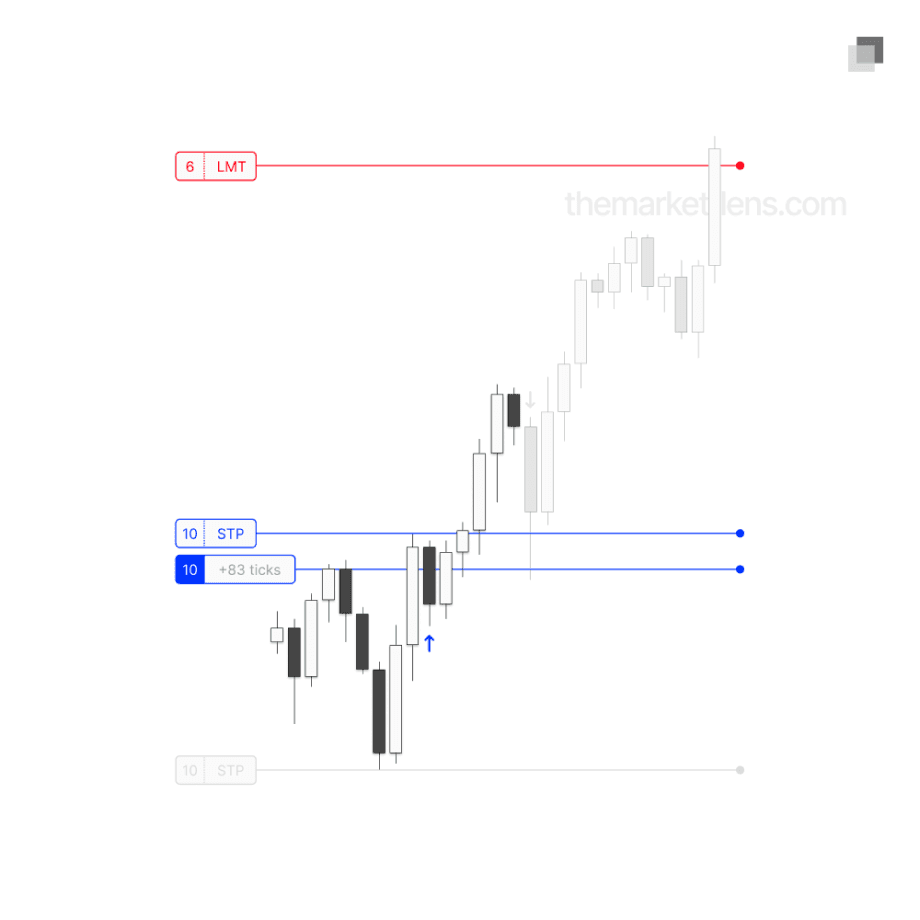
Prematurely trailing a stop loss to breakeven is one of the most common reasons traders are removed from valid trades. It may feel like an effective way to protect risk, but the entry price is not an invalidation point recognized by the market. The goal is to trade the charts, not emotions.
Prematurely trailing a stop loss to breakeven is one of the most common reasons traders are removed from valid trades. It may feel like an effective way to protect risk, but the entry price is not an invalidation point recognized by the market. The goal is to trade the charts, not emotions.
Prematurely trailing a stop loss to breakeven is one of the most common reasons traders are removed from valid trades. It may feel like an effective way to protect risk, but the entry price is not an invalidation point recognized by the market. The goal is to trade the charts, not emotions.
Every position is built on two commitments. The initial stop loss defines the invalidation of the idea. The initial target defines the minimum expectation of the idea. To capture the expected value from trades, these two points must be respected through process.
Every position is built on two commitments. The initial stop loss defines the invalidation of the idea. The initial target defines the minimum expectation of the idea. To capture the expected value from trades, these two points must be respected through process.
Every position is built on two commitments. The initial stop loss defines the invalidation of the idea. The initial target defines the minimum expectation of the idea. To capture the expected value from trades, these two points must be respected through process.
The initial stop loss should never be moved beyond breakeven until a new invalidation point has been created as the trade progresses in profit. Ideally, it is not adjusted until the initial risk to reward objective is reached and scaling occurs. The closer this principle can be followed both logically and comfortably, the better long-term results will be.
The initial stop loss should never be moved beyond breakeven until a new invalidation point has been created as the trade progresses in profit. Ideally, it is not adjusted until the initial risk to reward objective is reached and scaling occurs. The closer this principle can be followed both logically and comfortably, the better long-term results will be.
The initial stop loss should never be moved beyond breakeven until a new invalidation point has been created as the trade progresses in profit. Ideally, it is not adjusted until the initial risk to reward objective is reached and scaling occurs. The closer this principle can be followed both logically and comfortably, the better long-term results will be.

The standard for trading education and guidance
2026 The Market Lens - All Rights Reserved
The standard for trading education and guidance
2026 The Market Lens - All Rights Reserved
The standard for trading education and guidance