


Management
Management
Lesson 11 : Profit Scaling
Lesson 11 : Profit Scaling
Lesson 11 : Profit Scaling
Advanced
Advanced
8 min
8 min
Scaling Options
Scaling Options
Scaling Options
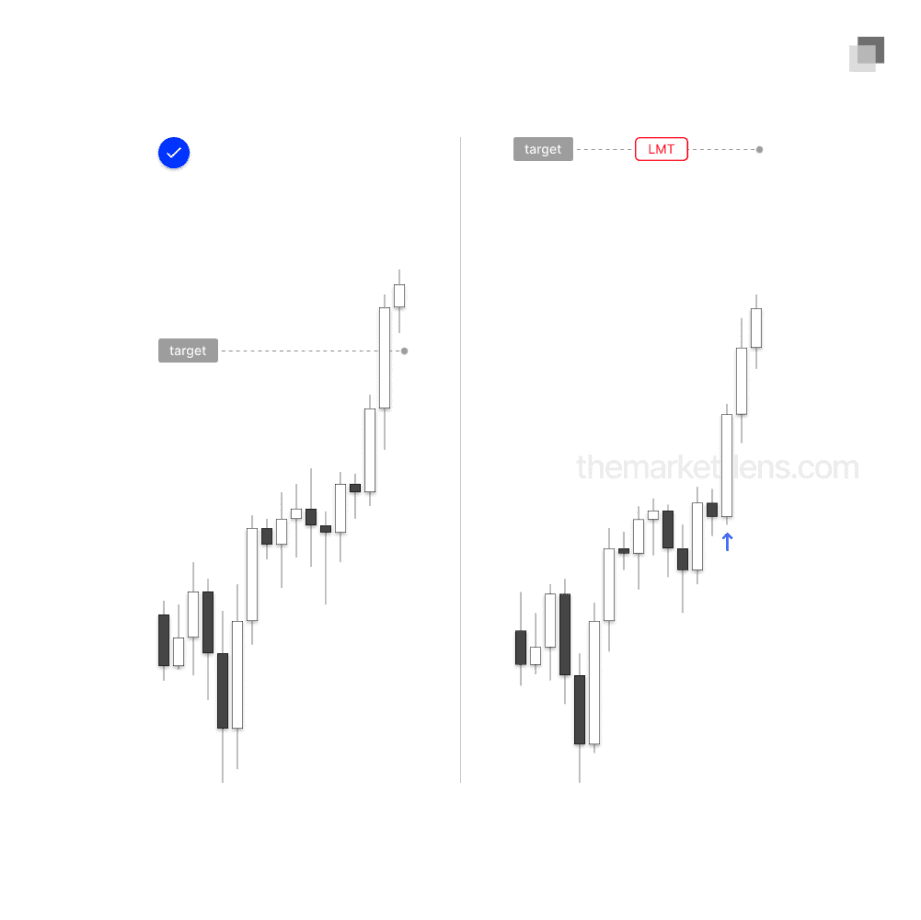
The simplest approach to taking profits is applying a static profit target as a limit order. The trade is entered, the target is set at the intended risk-to-reward, and then left alone. If price reaches the level, the position is closed in full. This method is effective because it removes additional decision making once the trade is opened.
The simplest approach to taking profits is applying a static profit target as a limit order. The trade is entered, the target is set at the intended risk-to-reward, and then left alone. If price reaches the level, the position is closed in full. This method is effective because it removes additional decision making once the trade is opened.
The simplest approach to taking profits is applying a static profit target as a limit order. The trade is entered, the target is set at the intended risk-to-reward, and then left alone. If price reaches the level, the position is closed in full. This method is effective because it removes additional decision making once the trade is opened.
While this is beneficial in the early stages, with more experience comes the ability to scale trades out in partials. This allows profits to be maximized on winning trades by managing the outcome more actively. To do this correctly, specific factors in the market must be considered when deciding where and how to take partials.
While this is beneficial in the early stages, with more experience comes the ability to scale trades out in partials. This allows profits to be maximized on winning trades by managing the outcome more actively. To do this correctly, specific factors in the market must be considered when deciding where and how to take partials.
While this is beneficial in the early stages, with more experience comes the ability to scale trades out in partials. This allows profits to be maximized on winning trades by managing the outcome more actively. To do this correctly, specific factors in the market must be considered when deciding where and how to take partials.
Initial 2R Scaling
Initial 2R Scaling
Initial 2R Scaling
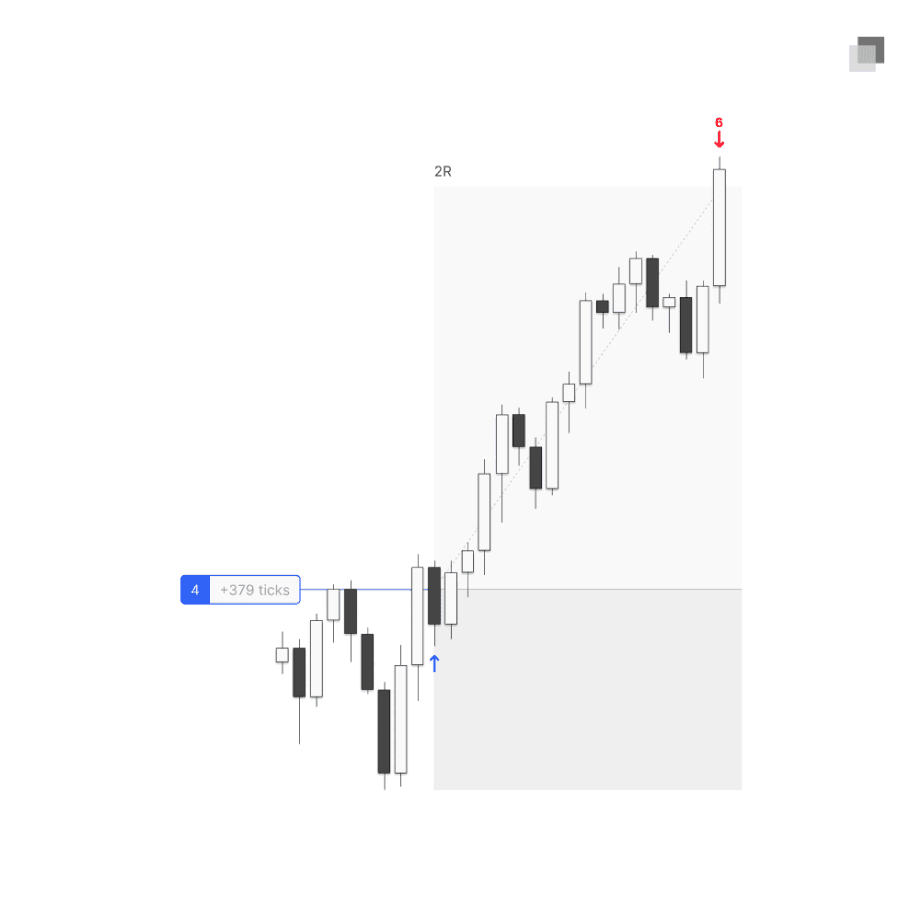
Establishing a baseline is essential in every part of the system because it keeps our actions controlled at the core. The same applies to trade management. Under the Expansion Model, the baseline expectation for a winning trade is 2R.
Establishing a baseline is essential in every part of the system because it keeps our actions controlled at the core. The same applies to trade management. Under the Expansion Model, the baseline expectation for a winning trade is 2R.
Establishing a baseline is essential in every part of the system because it keeps our actions controlled at the core. The same applies to trade management. Under the Expansion Model, the baseline expectation for a winning trade is 2R.
Once a trade reaches this threshold, a portion of the position should almost always be realized. This should typically represent the largest scale-out of the trade, regardless of other factors covered in this lesson. Securing profits around 2R ensures that value is locked in whether the market reverses at that point or continues expanding further.
Once a trade reaches this threshold, a portion of the position should almost always be realized. This should typically represent the largest scale-out of the trade, regardless of other factors covered in this lesson. Securing profits around 2R ensures that value is locked in whether the market reverses at that point or continues expanding further.
Once a trade reaches this threshold, a portion of the position should almost always be realized. This should typically represent the largest scale-out of the trade, regardless of other factors covered in this lesson. Securing profits around 2R ensures that value is locked in whether the market reverses at that point or continues expanding further.
Dynamic Scaling
The market is constantly providing new information that can be applied to scaling decisions, guiding both when to realize profits and how much to secure at a time. The following factors should be considered, as they directly influence how position scaling is managed.
The market is constantly providing new information that can be applied to scaling decisions, guiding both when to realize profits and how much to secure at a time. The following factors should be considered, as they directly influence how position scaling is managed.
The market is constantly providing new information that can be applied to scaling decisions, guiding both when to realize profits and how much to secure at a time. The following factors should be considered, as they directly influence how position scaling is managed.
Significance of Expansion
If the market drives quickly to and through your initial objective, it signals strong intent to sustain the move further. In this case, it makes sense to scale out less at the first target and hold more of the position for additional scales as the expansion continues.
If the market drives quickly to and through your initial objective, it signals strong intent to sustain the move further. In this case, it makes sense to scale out less at the first target and hold more of the position for additional scales as the expansion continues.
If the market drives quickly to and through your initial objective, it signals strong intent to sustain the move further. In this case, it makes sense to scale out less at the first target and hold more of the position for additional scales as the expansion continues.
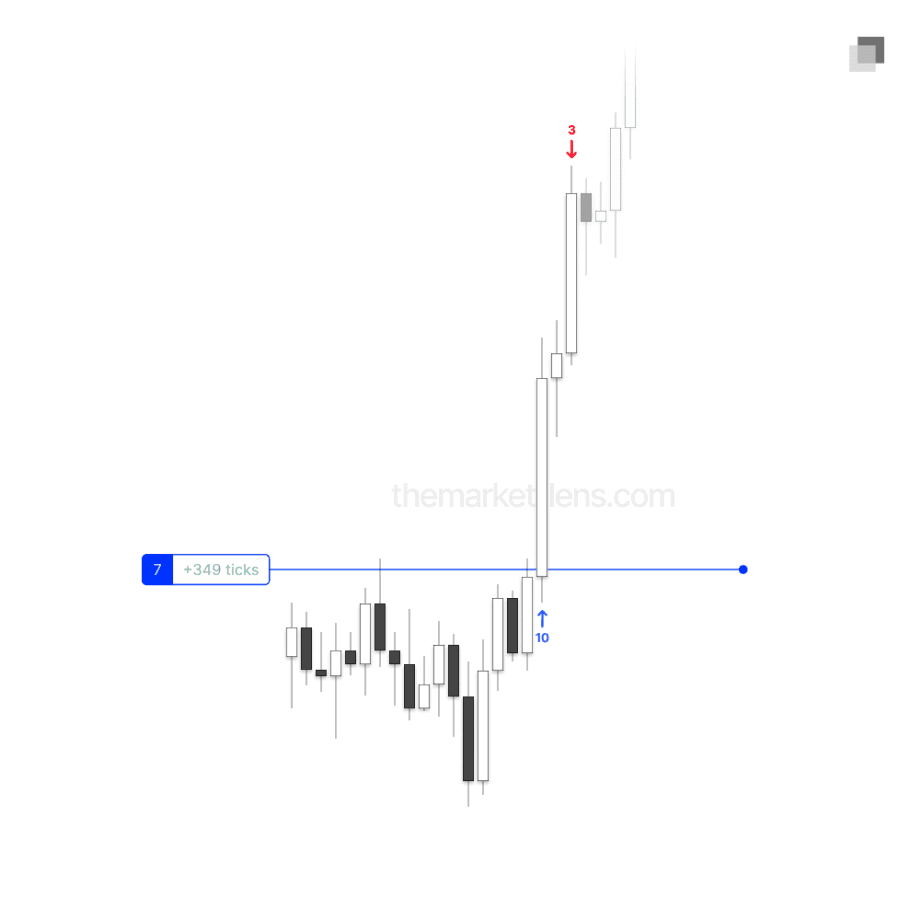
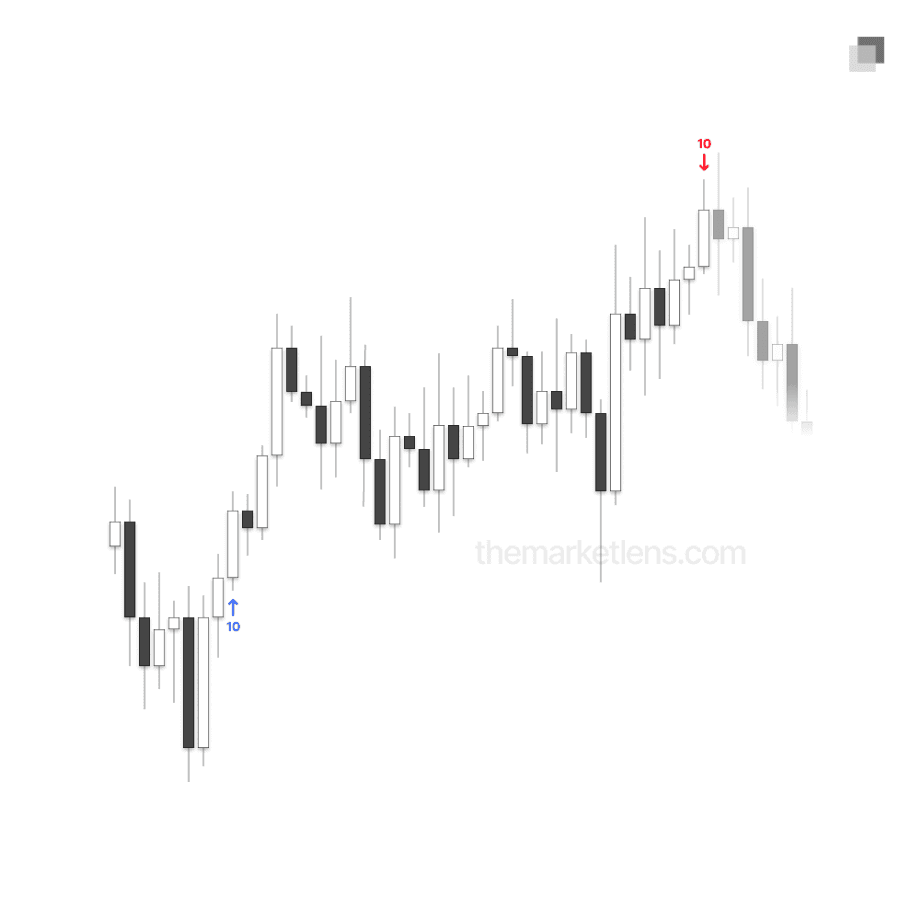
If the market grinds into the objective over a longer period, with deep retracements along the way, it signals weakness and a lower likelihood of sustained continuation. In this scenario, you should consider scaling heavily at the initial target, or even closing the position entirely to secure profits.
If the market grinds into the objective over a longer period, with deep retracements along the way, it signals weakness and a lower likelihood of sustained continuation. In this scenario, you should consider scaling heavily at the initial target, or even closing the position entirely to secure profits.
If the market grinds into the objective over a longer period, with deep retracements along the way, it signals weakness and a lower likelihood of sustained continuation. In this scenario, you should consider scaling heavily at the initial target, or even closing the position entirely to secure profits.
Relevant Swing Objectives
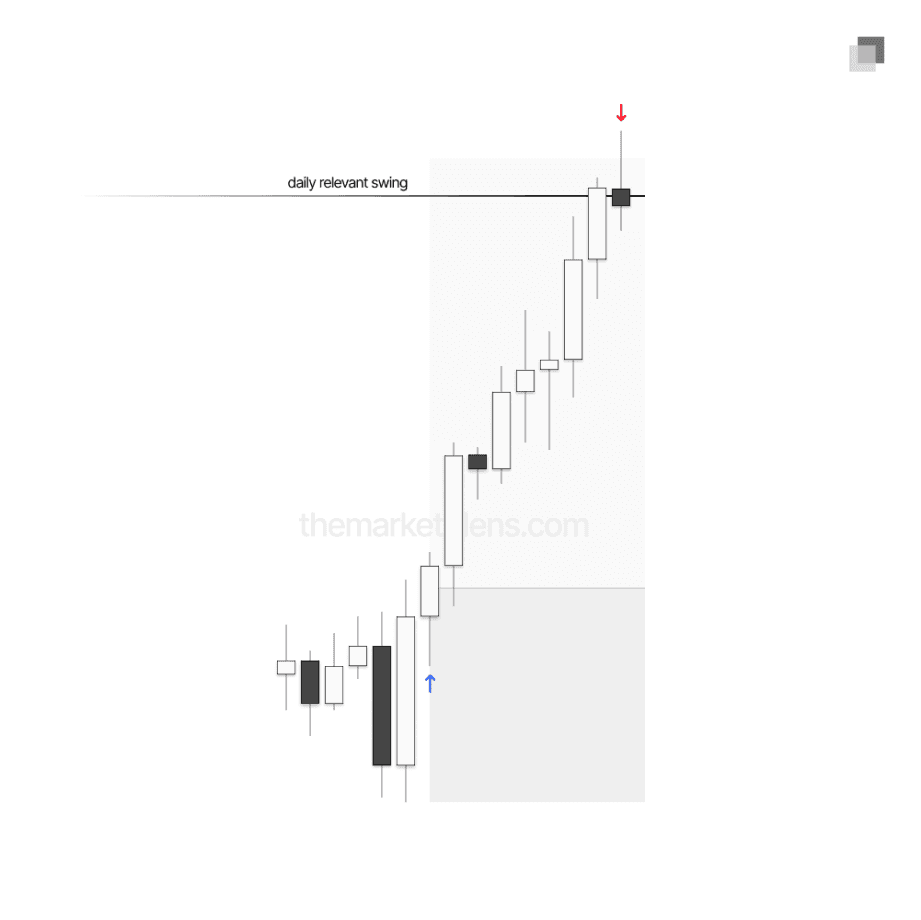
Trading into significant daily relevant swings is powerful as a draw because it establishes a target at the extreme where no prior level carries the same weight on the market. This influences scaling in two distinct ways.
Trading into significant daily relevant swings is powerful as a draw because it establishes a target at the extreme where no prior level carries the same weight on the market. This influences scaling in two distinct ways.
Trading into significant daily relevant swings is powerful as a draw because it establishes a target at the extreme where no prior level carries the same weight on the market. This influences scaling in two distinct ways.
If a daily relevant swing sits beyond your 2R objective but remains within reasonable reach for the current daily candle, you can scale less than average at 2R or even hold the full position toward the swing. This is based on the assumption that price has a high probability of reaching into that level.
If a daily relevant swing sits beyond your 2R objective but remains within reasonable reach for the current daily candle, you can scale less than average at 2R or even hold the full position toward the swing. This is based on the assumption that price has a high probability of reaching into that level.
If a daily relevant swing sits beyond your 2R objective but remains within reasonable reach for the current daily candle, you can scale less than average at 2R or even hold the full position toward the swing. This is based on the assumption that price has a high probability of reaching into that level.
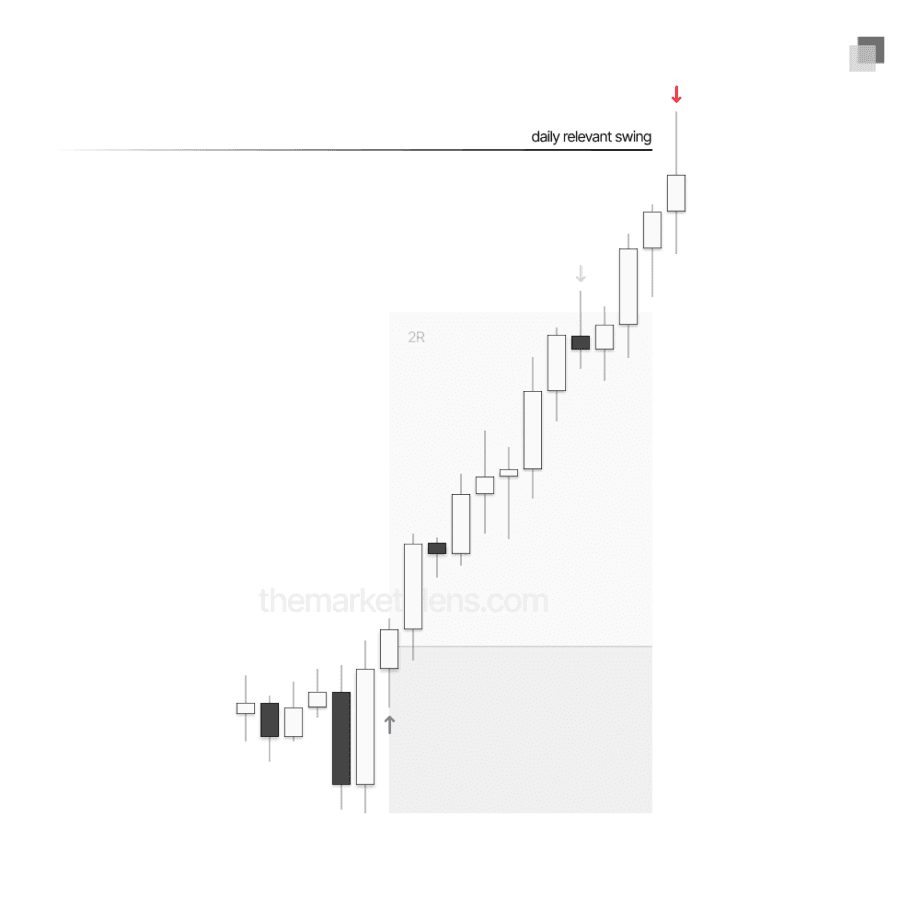
If a daily relevant swing aligns directly with your 2R objective, the chance of a pause or full reversal increases. In this case, it is prudent to scale more than average at 2R in order to secure profits before the market reacts to the swing.
If a daily relevant swing aligns directly with your 2R objective, the chance of a pause or full reversal increases. In this case, it is prudent to scale more than average at 2R in order to secure profits before the market reacts to the swing.
If a daily relevant swing aligns directly with your 2R objective, the chance of a pause or full reversal increases. In this case, it is prudent to scale more than average at 2R in order to secure profits before the market reacts to the swing.
Time and Price Ranges
The daily candle has independent limits in both range and time, and these factors should influence how positions are scaled when relevant. Across trades, your positioning within the daily candle can vary significantly.
The daily candle has independent limits in both range and time, and these factors should influence how positions are scaled when relevant. Across trades, your positioning within the daily candle can vary significantly.
The daily candle has independent limits in both range and time, and these factors should influence how positions are scaled when relevant. Across trades, your positioning within the daily candle can vary significantly.
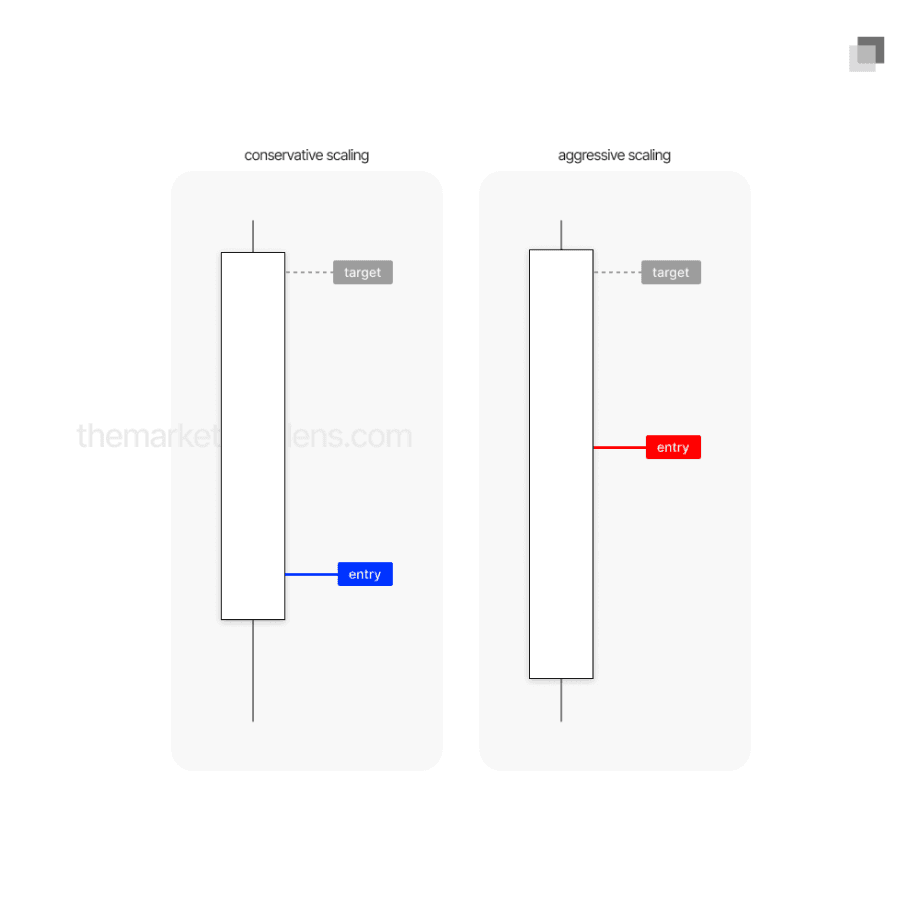
When you are positioned early in the candle, before the main move begins to play out, you are onside in an ideal position. This provides more freedom to hold the trade longer, and initial scales may be reduced as a result.
When you are positioned early in the candle, before the main move begins to play out, you are onside in an ideal position. This provides more freedom to hold the trade longer, and initial scales may be reduced as a result.
When you are positioned early in the candle, before the main move begins to play out, you are onside in an ideal position. This provides more freedom to hold the trade longer, and initial scales may be reduced as a result.
When you are positioned later in the candle, after the continuation has already developed, both time and range are more limited. This context calls for more aggressive scaling to secure profits before the candle exhausts.
When you are positioned later in the candle, after the continuation has already developed, both time and range are more limited. This context calls for more aggressive scaling to secure profits before the candle exhausts.
When you are positioned later in the candle, after the continuation has already developed, both time and range are more limited. This context calls for more aggressive scaling to secure profits before the candle exhausts.
Correlated Markets
When trading markets with highly correlated pairs, it is important to monitor how each pair is moving relative to its own significant objectives and its relative strength or weakness. Correlated markets will often influence one another, and this context should shape scaling decisions.
When trading markets with highly correlated pairs, it is important to monitor how each pair is moving relative to its own significant objectives and its relative strength or weakness. Correlated markets will often influence one another, and this context should shape scaling decisions.
When trading markets with highly correlated pairs, it is important to monitor how each pair is moving relative to its own significant objectives and its relative strength or weakness. Correlated markets will often influence one another, and this context should shape scaling decisions.
If a correlated pair has extended room to reach its objective in the intended direction while maintaining correlation, scales can be taken in smaller portions. This is based on the expectation that the move is likely to sustain.
If a correlated pair has extended room to reach its objective in the intended direction while maintaining correlation, scales can be taken in smaller portions. This is based on the expectation that the move is likely to sustain.
If a correlated pair has extended room to reach its objective in the intended direction while maintaining correlation, scales can be taken in smaller portions. This is based on the expectation that the move is likely to sustain.
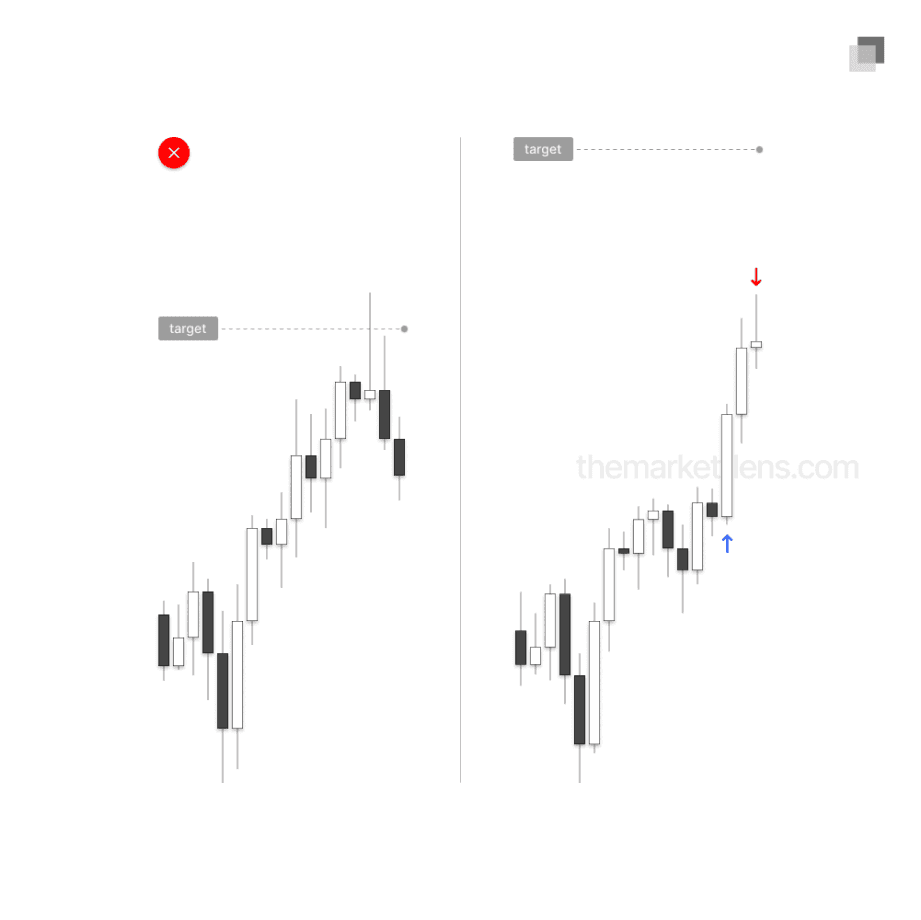
If a correlated pair has already reached its significant objective and begins to oppose the direction, more aggressive scaling becomes the precautionary action. This secures profits before the increased chance of reversal impacts your position.
If a correlated pair has already reached its significant objective and begins to oppose the direction, more aggressive scaling becomes the precautionary action. This secures profits before the increased chance of reversal impacts your position.
If a correlated pair has already reached its significant objective and begins to oppose the direction, more aggressive scaling becomes the precautionary action. This secures profits before the increased chance of reversal impacts your position.

The standard for trading education and guidance
2026 The Market Lens - All Rights Reserved
The standard for trading education and guidance
2026 The Market Lens - All Rights Reserved
The standard for trading education and guidance