


Framework
Framework
Lesson 18 : Framing Bias
Lesson 18 : Framing Bias
Lesson 18 : Framing Bias
Beginner
Beginner
4 min
4 min
Bias
Bias
Bias
Bias in trading is critical, as it ensures that trades are aligned with the direction of higher timeframes, as discussed in the expansion alignment section. When determining bias, the key concepts include candle 2 closures, candle 3 closures, continuation and reversal closures, equilibrium, phases of price, and the previous day’s liquidity. The reference to previous day’s liquidity will vary depending on the timeframe being traded. For intraday trading, the daily chart is used to assess these concepts, though the principles apply fractally across all timeframes.
Bias in trading is critical, as it ensures that trades are aligned with the direction of higher timeframes, as discussed in the expansion alignment section. When determining bias, the key concepts include candle 2 closures, candle 3 closures, continuation and reversal closures, equilibrium, phases of price, and the previous day’s liquidity. The reference to previous day’s liquidity will vary depending on the timeframe being traded. For intraday trading, the daily chart is used to assess these concepts, though the principles apply fractally across all timeframes.
Bias in trading is critical, as it ensures that trades are aligned with the direction of higher timeframes, as discussed in the expansion alignment section. When determining bias, the key concepts include candle 2 closures, candle 3 closures, continuation and reversal closures, equilibrium, phases of price, and the previous day’s liquidity. The reference to previous day’s liquidity will vary depending on the timeframe being traded. For intraday trading, the daily chart is used to assess these concepts, though the principles apply fractally across all timeframes.
Using the daily chart, I will identify a candle 2 or candle 3 closure to establish bias for the following day. This method provides the most straightforward and reliable approach for determining market bias.
Using the daily chart, I will identify a candle 2 or candle 3 closure to establish bias for the following day. This method provides the most straightforward and reliable approach for determining market bias.
Using the daily chart, I will identify a candle 2 or candle 3 closure to establish bias for the following day. This method provides the most straightforward and reliable approach for determining market bias.
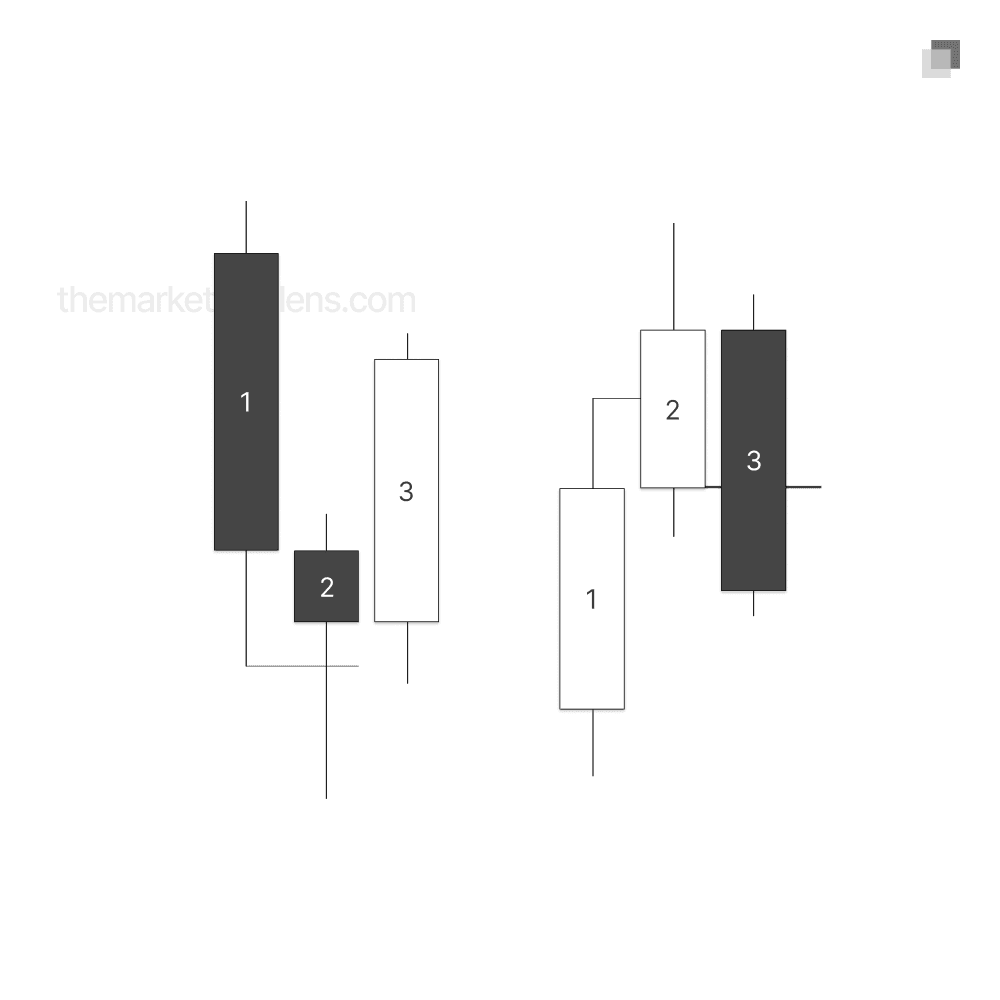
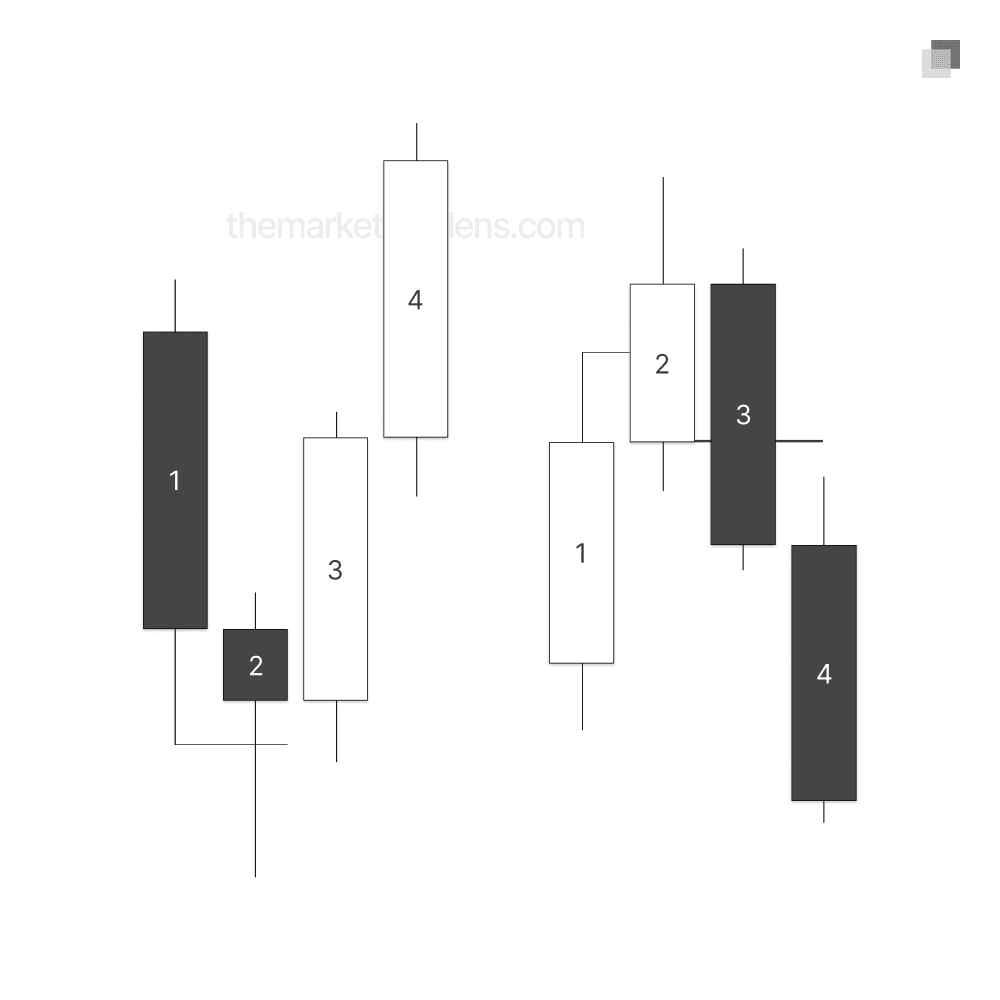
Blending this with the candle 2 and candle 3 closures, I will use reversal and continuation closures to anticipate whether the market is likely to reverse or continue the current trend.
Blending this with the candle 2 and candle 3 closures, I will use reversal and continuation closures to anticipate whether the market is likely to reverse or continue the current trend.
Blending this with the candle 2 and candle 3 closures, I will use reversal and continuation closures to anticipate whether the market is likely to reverse or continue the current trend.
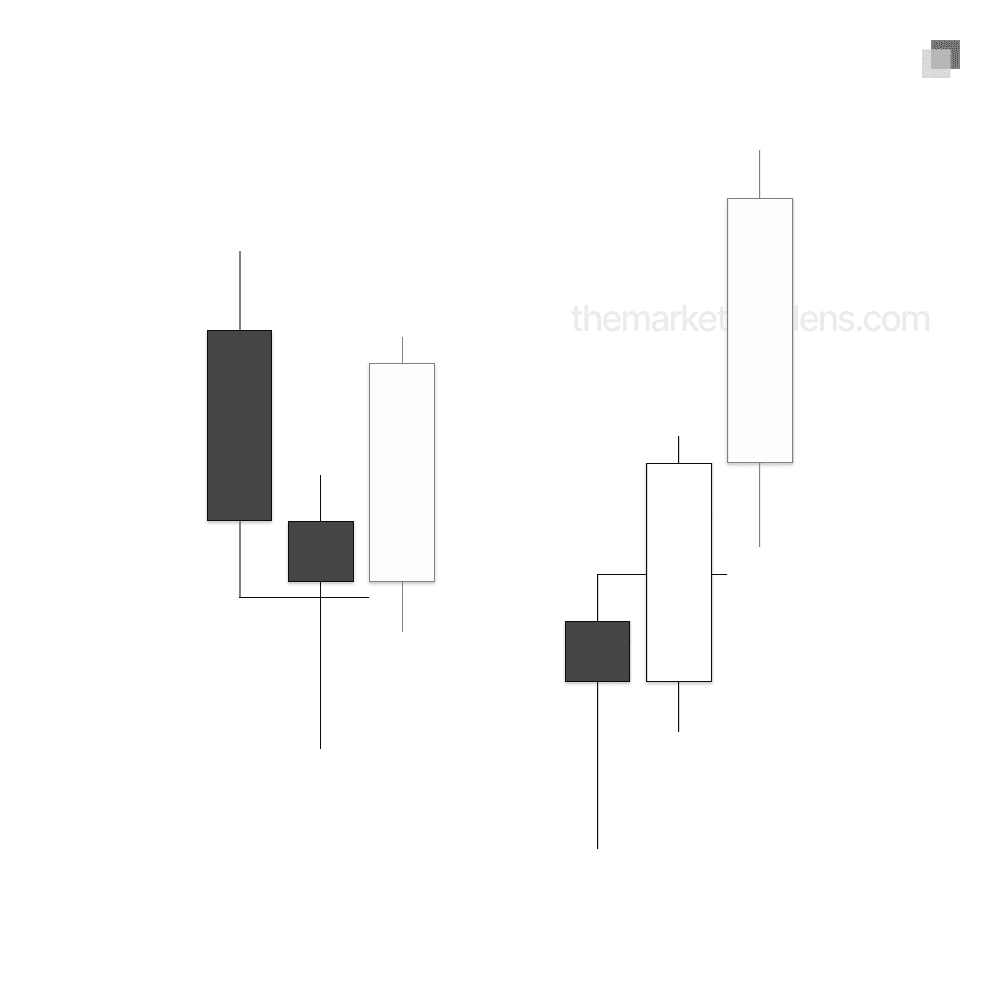
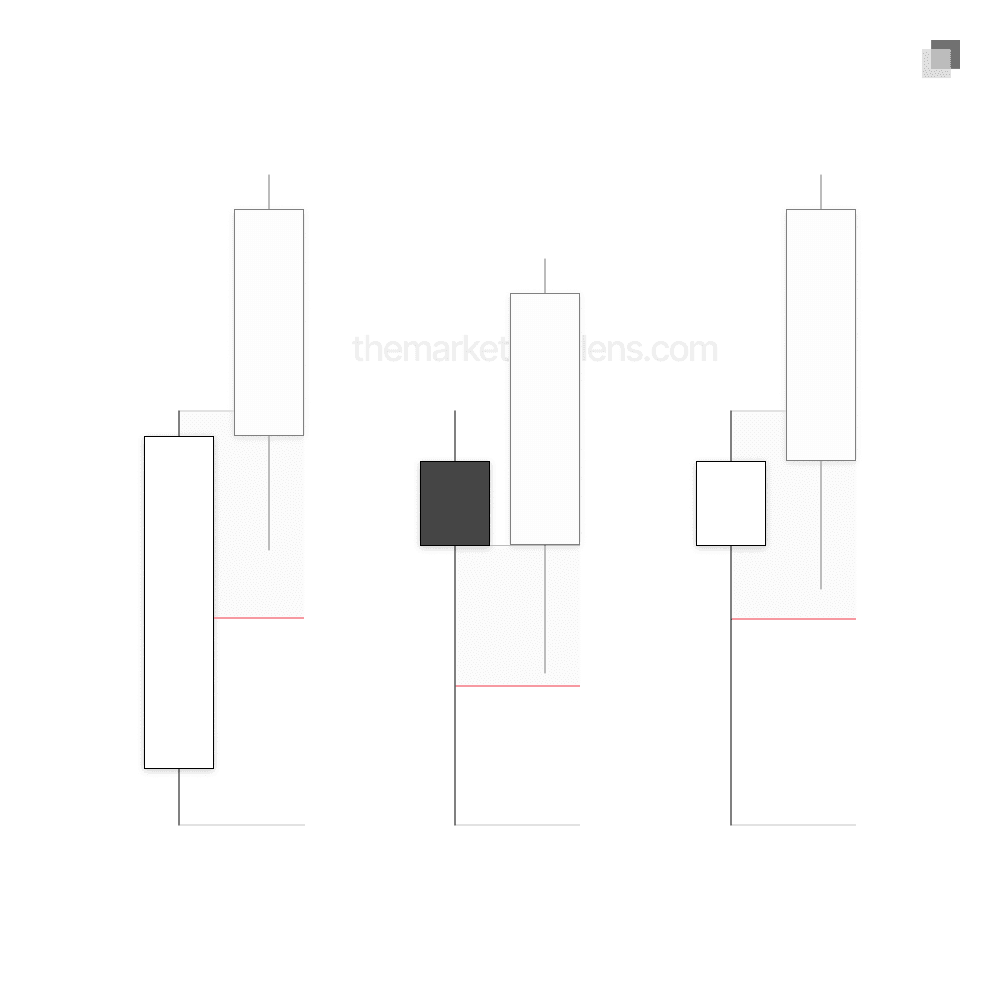
Applying equilibrium to the daily chart is another key component in determining bias, identifying areas where continuations are likely, and pinpointing points of interest for lower timeframe setups.
Applying equilibrium to the daily chart is another key component in determining bias, identifying areas where continuations are likely, and pinpointing points of interest for lower timeframe setups.
Applying equilibrium to the daily chart is another key component in determining bias, identifying areas where continuations are likely, and pinpointing points of interest for lower timeframe setups.
Phases of Price
Phases of Price
Phases of Price
Although these concepts are also applied to the daily chart or the relevant higher timeframe, the focus is on intraday timeframes to observe the phases of price in conjunction with the daily framework. Consolidation, expansion, retracement, and reversal phases are analyzed and blended together to provide a comprehensive view of market structure.
Although these concepts are also applied to the daily chart or the relevant higher timeframe, the focus is on intraday timeframes to observe the phases of price in conjunction with the daily framework. Consolidation, expansion, retracement, and reversal phases are analyzed and blended together to provide a comprehensive view of market structure.
Although these concepts are also applied to the daily chart or the relevant higher timeframe, the focus is on intraday timeframes to observe the phases of price in conjunction with the daily framework. Consolidation, expansion, retracement, and reversal phases are analyzed and blended together to provide a comprehensive view of market structure.
When price is in consolidation, focus on identifying swing points at the range high or low, or wait for a reversal off the range high or low to occur and anticipate a subsequent continuation.
When price is in consolidation, focus on identifying swing points at the range high or low, or wait for a reversal off the range high or low to occur and anticipate a subsequent continuation.
When price is in consolidation, focus on identifying swing points at the range high or low, or wait for a reversal off the range high or low to occur and anticipate a subsequent continuation.
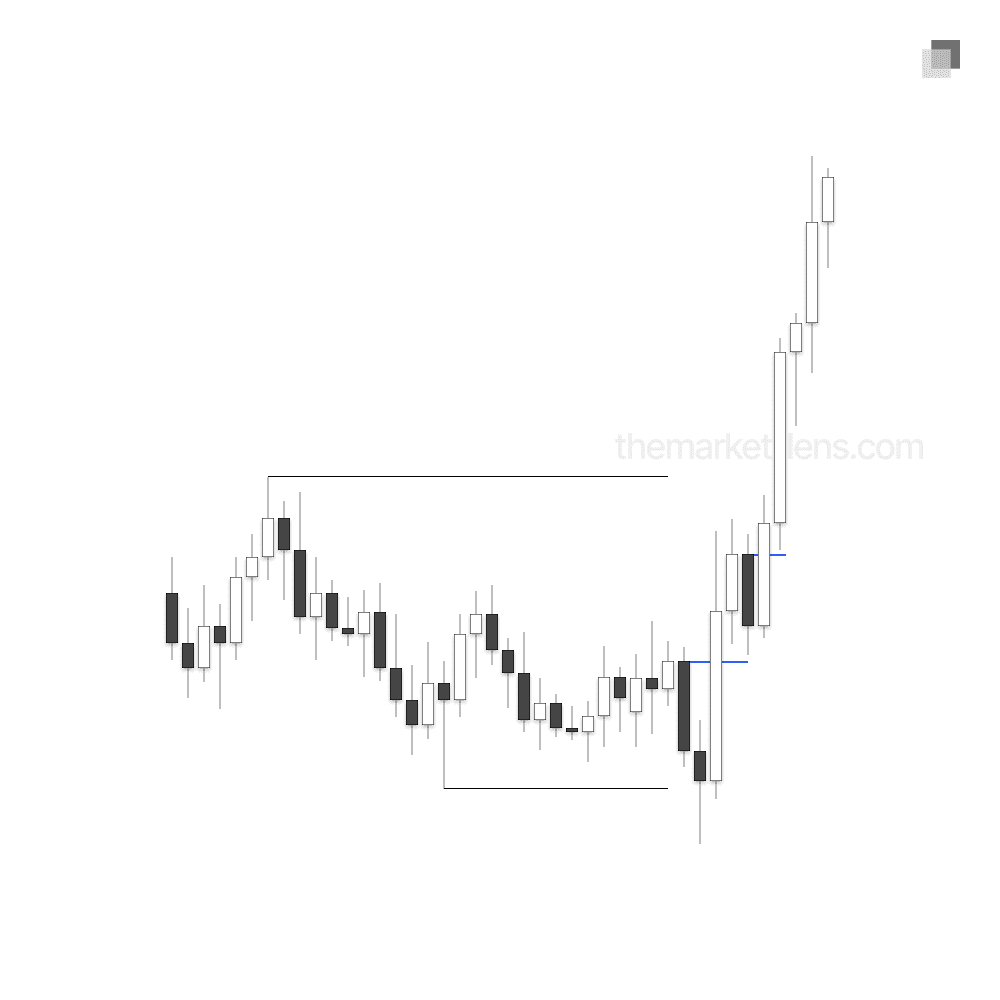
When price is in a retracement, focus on identifying a protected swing that price should not breach if it is to continue in the intended direction. Once the protected swing is established, locate a point of interest, such as a high, low, or fair value gap, from which price can form a swing. Emphasis should be placed on identifying swing points at the point of interest or within the continuation that follows.
When price is in a retracement, focus on identifying a protected swing that price should not breach if it is to continue in the intended direction. Once the protected swing is established, locate a point of interest, such as a high, low, or fair value gap, from which price can form a swing. Emphasis should be placed on identifying swing points at the point of interest or within the continuation that follows.
When price is in a retracement, focus on identifying a protected swing that price should not breach if it is to continue in the intended direction. Once the protected swing is established, locate a point of interest, such as a high, low, or fair value gap, from which price can form a swing. Emphasis should be placed on identifying swing points at the point of interest or within the continuation that follows.
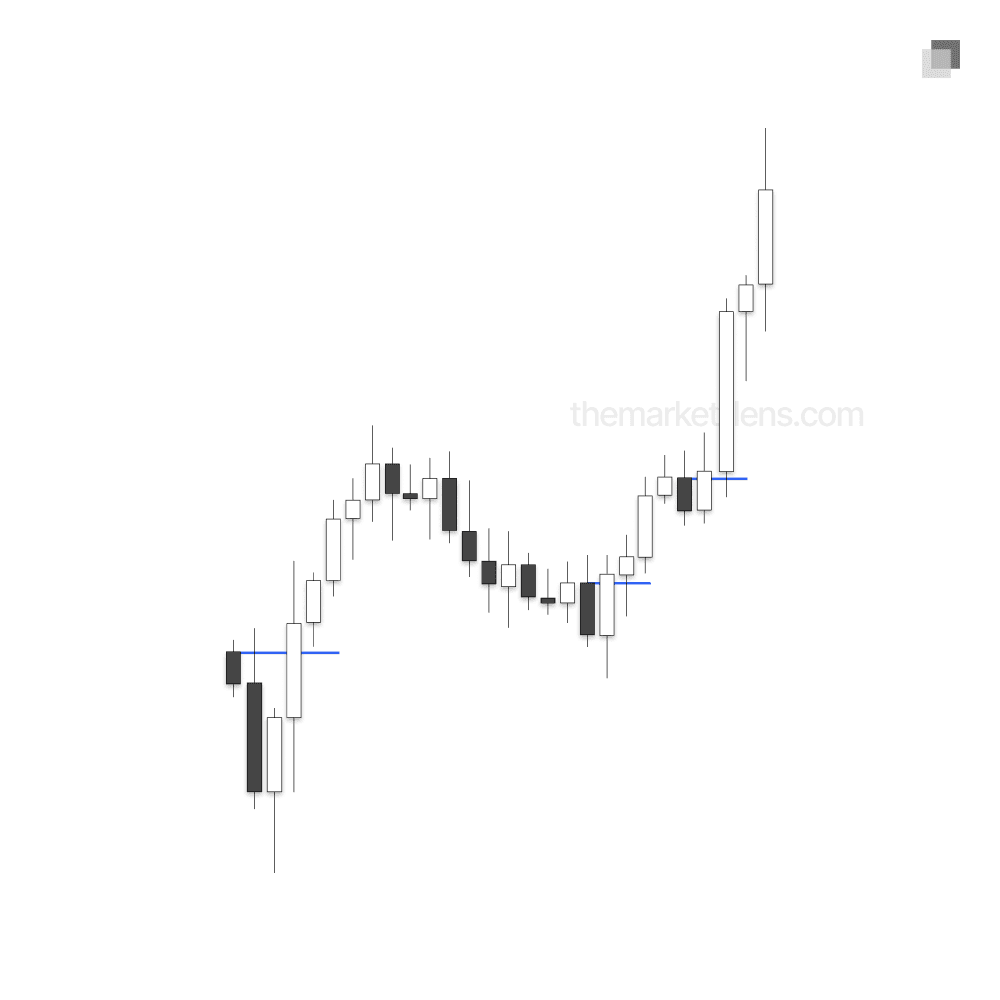
When price reaches a relevant point of interest, specifically a high or low, a reversal may occur. Reversals are more challenging to trade, so it is preferable to focus on the continuation that follows the reversal.
When price reaches a relevant point of interest, specifically a high or low, a reversal may occur. Reversals are more challenging to trade, so it is preferable to focus on the continuation that follows the reversal.
When price reaches a relevant point of interest, specifically a high or low, a reversal may occur. Reversals are more challenging to trade, so it is preferable to focus on the continuation that follows the reversal.
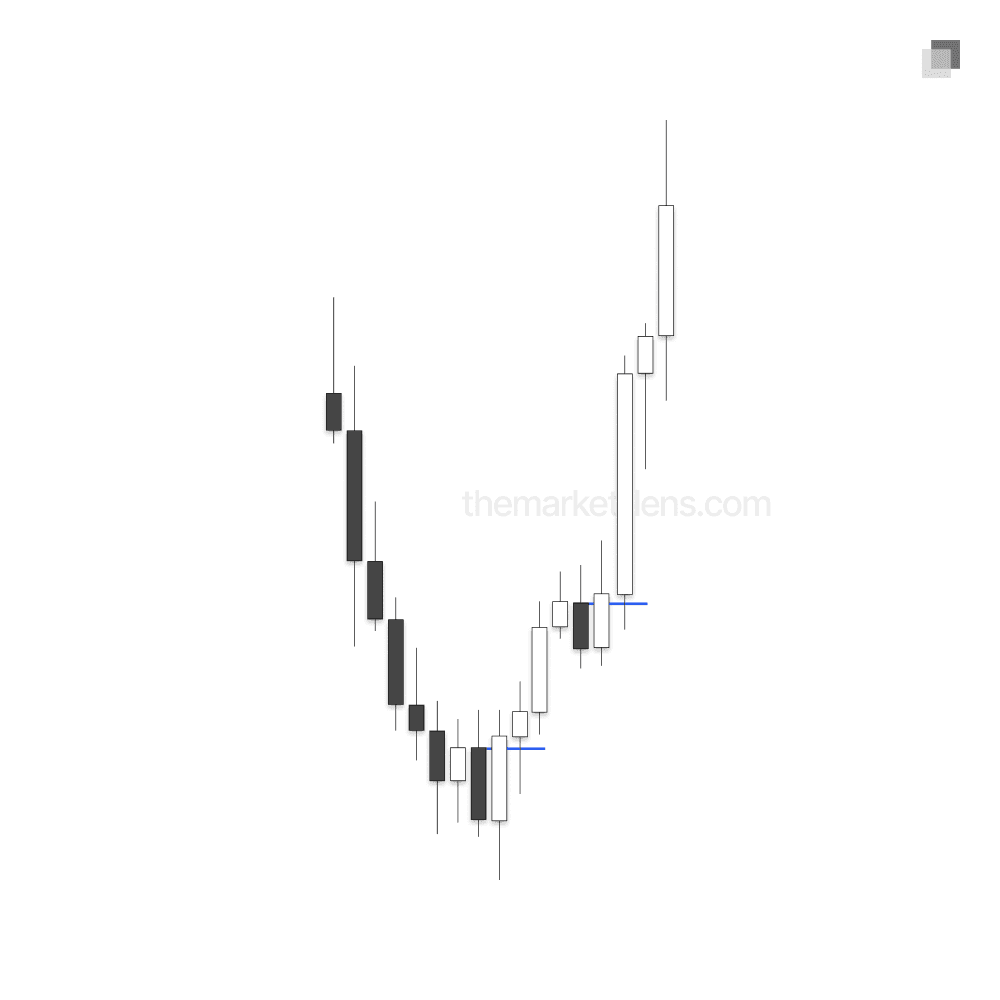
An additional confluence I use in determining bias is simply asking whether price is more likely to trade toward the previous day’s high or the previous day’s low. This approach provides bias in situations where it might otherwise be unclear and can also help simplify the decision-making process.
An additional confluence I use in determining bias is simply asking whether price is more likely to trade toward the previous day’s high or the previous day’s low. This approach provides bias in situations where it might otherwise be unclear and can also help simplify the decision-making process.
An additional confluence I use in determining bias is simply asking whether price is more likely to trade toward the previous day’s high or the previous day’s low. This approach provides bias in situations where it might otherwise be unclear and can also help simplify the decision-making process.

The standard for trading education and guidance
2026 The Market Lens - All Rights Reserved
The standard for trading education and guidance
2026 The Market Lens - All Rights Reserved
The standard for trading education and guidance