


Additional
Additional
Lesson 12 : Framework Transfer
Lesson 12 : Framework Transfer
Lesson 12 : Framework Transfer
Advanced
Advanced
1 min
1 min
Framework Transfer
Framework Transfer
Framework Transfer
There are times in the market when a proper setup appears but does not align with relative strength. For example, if a short framework appears on the strongest asset, it makes more sense to apply that framework to the weaker asset to short it, and the same logic applies in a bullish scenario. This is where a framework transfer is used, transferring a framework from one asset to trade a correlated asset that lacks the same setup.
There are times in the market when a proper setup appears but does not align with relative strength. For example, if a short framework appears on the strongest asset, it makes more sense to apply that framework to the weaker asset to short it, and the same logic applies in a bullish scenario. This is where a framework transfer is used, transferring a framework from one asset to trade a correlated asset that lacks the same setup.
There are times in the market when a proper setup appears but does not align with relative strength. For example, if a short framework appears on the strongest asset, it makes more sense to apply that framework to the weaker asset to short it, and the same logic applies in a bullish scenario. This is where a framework transfer is used, transferring a framework from one asset to trade a correlated asset that lacks the same setup.
In the example shown, there is no candle 2 or candle 3 closure on the current asset, but the correlated asset does produce a candle 2 closure. Using relative strength and SMT, it becomes clear that the correlated asset is stronger. This means that when looking for shorts, it is more favorable to focus on the current asset, even without the framework appearing directly on it.
In the example shown, there is no candle 2 or candle 3 closure on the current asset, but the correlated asset does produce a candle 2 closure. Using relative strength and SMT, it becomes clear that the correlated asset is stronger. This means that when looking for shorts, it is more favorable to focus on the current asset, even without the framework appearing directly on it.
In the example shown, there is no candle 2 or candle 3 closure on the current asset, but the correlated asset does produce a candle 2 closure. Using relative strength and SMT, it becomes clear that the correlated asset is stronger. This means that when looking for shorts, it is more favorable to focus on the current asset, even without the framework appearing directly on it.
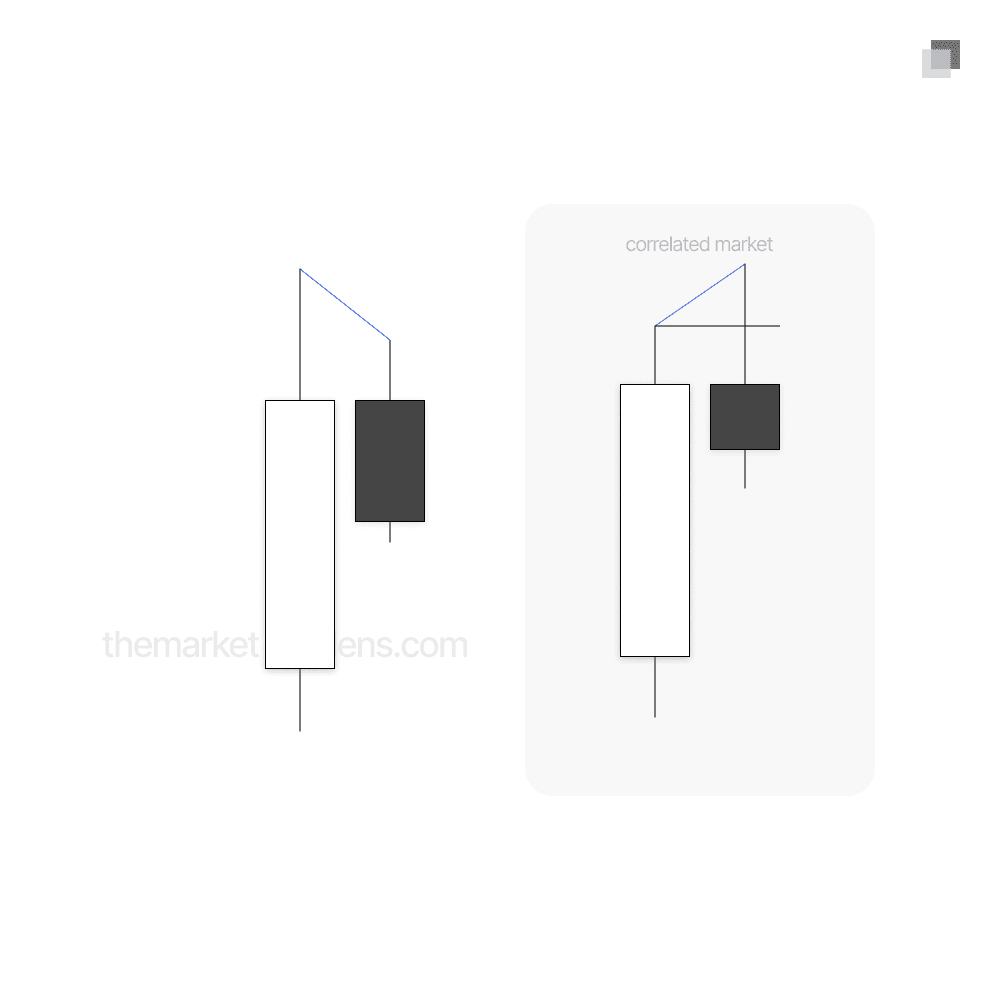
The process works by walking through the flowchart on the correlated asset to confirm whether the entries are valid. Once that confirmation is in place, the same entry timings can then be applied to the stronger or weaker correlated asset. In this case, there is a valid short framework on the correlated asset.
The process works by walking through the flowchart on the correlated asset to confirm whether the entries are valid. Once that confirmation is in place, the same entry timings can then be applied to the stronger or weaker correlated asset. In this case, there is a valid short framework on the correlated asset.
The process works by walking through the flowchart on the correlated asset to confirm whether the entries are valid. Once that confirmation is in place, the same entry timings can then be applied to the stronger or weaker correlated asset. In this case, there is a valid short framework on the correlated asset.
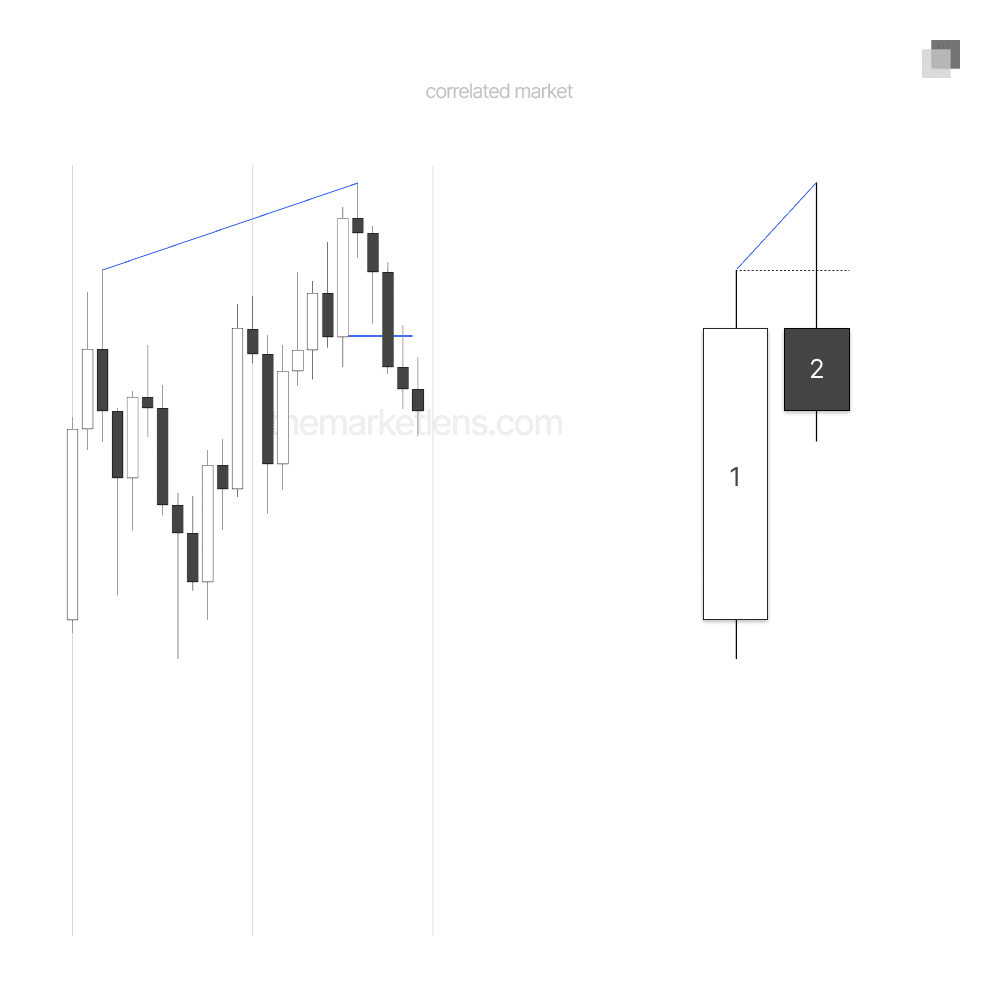
Since a valid short framework is confirmed on the correlated asset, entries should be sought on the current asset by applying that same setup to the short side.
Since a valid short framework is confirmed on the correlated asset, entries should be sought on the current asset by applying that same setup to the short side.
Since a valid short framework is confirmed on the correlated asset, entries should be sought on the current asset by applying that same setup to the short side.
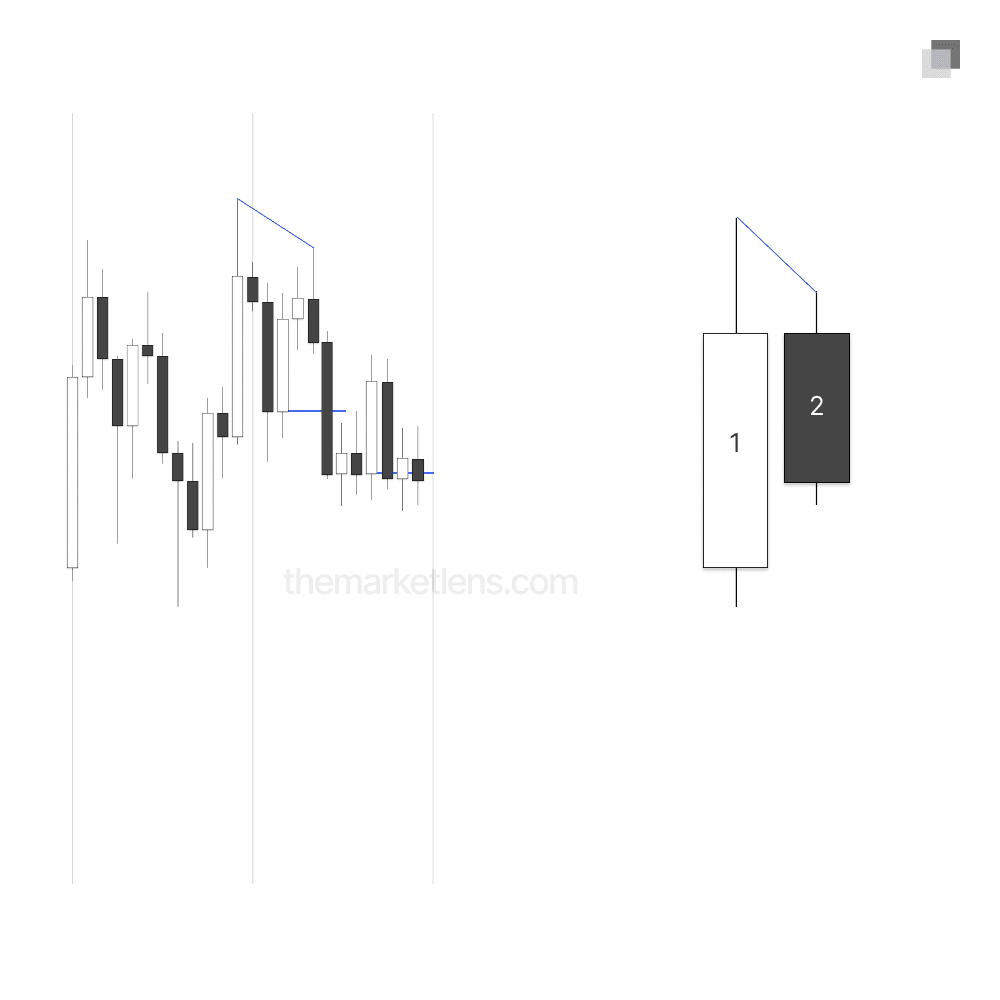
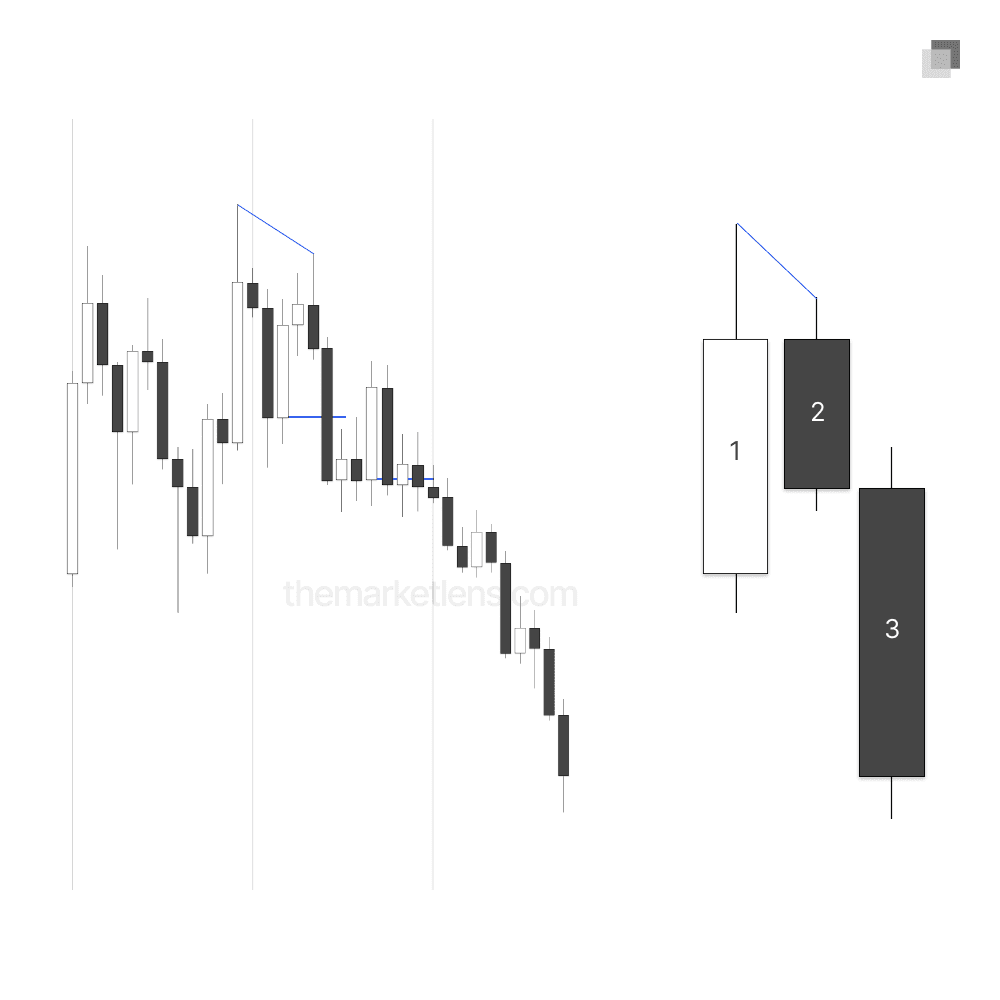
Here you can see expansion take place by using framework transfer, applying the candle 2 closure setup from the stronger asset onto the weaker asset to establish a framework and entry.
Here you can see expansion take place by using framework transfer, applying the candle 2 closure setup from the stronger asset onto the weaker asset to establish a framework and entry.
Here you can see expansion take place by using framework transfer, applying the candle 2 closure setup from the stronger asset onto the weaker asset to establish a framework and entry.

The standard for trading education and guidance
2026 The Market Lens - All Rights Reserved
The standard for trading education and guidance
2026 The Market Lens - All Rights Reserved
The standard for trading education and guidance