


Framework
Framework
Lesson 1 : Relevant Swings
Lesson 1 : Relevant Swings
Lesson 1 : Relevant Swings
Advanced
Advanced
10 min
10 min
High and Lows
High and Lows
High and Lows
The process of identifying and utilizing relevant swings in the market can be expanded further. In the beginner lesson on relevant swings, the focus was placed on any daily highs and lows. This was done to simplify the identification process. Now that the foundation is set, it is time to introduce the difference between two types of daily highs and lows.
The process of identifying and utilizing relevant swings in the market can be expanded further. In the beginner lesson on relevant swings, the focus was placed on any daily highs and lows. This was done to simplify the identification process. Now that the foundation is set, it is time to introduce the difference between two types of daily highs and lows.
The process of identifying and utilizing relevant swings in the market can be expanded further. In the beginner lesson on relevant swings, the focus was placed on any daily highs and lows. This was done to simplify the identification process. Now that the foundation is set, it is time to introduce the difference between two types of daily highs and lows.
The term standard point is used to define this type of high or low on the daily chart. Understanding this concept is crucial before progressing further into the lesson.
The term standard point is used to define this type of high or low on the daily chart. Understanding this concept is crucial before progressing further into the lesson.
The term standard point is used to define this type of high or low on the daily chart. Understanding this concept is crucial before progressing further into the lesson.
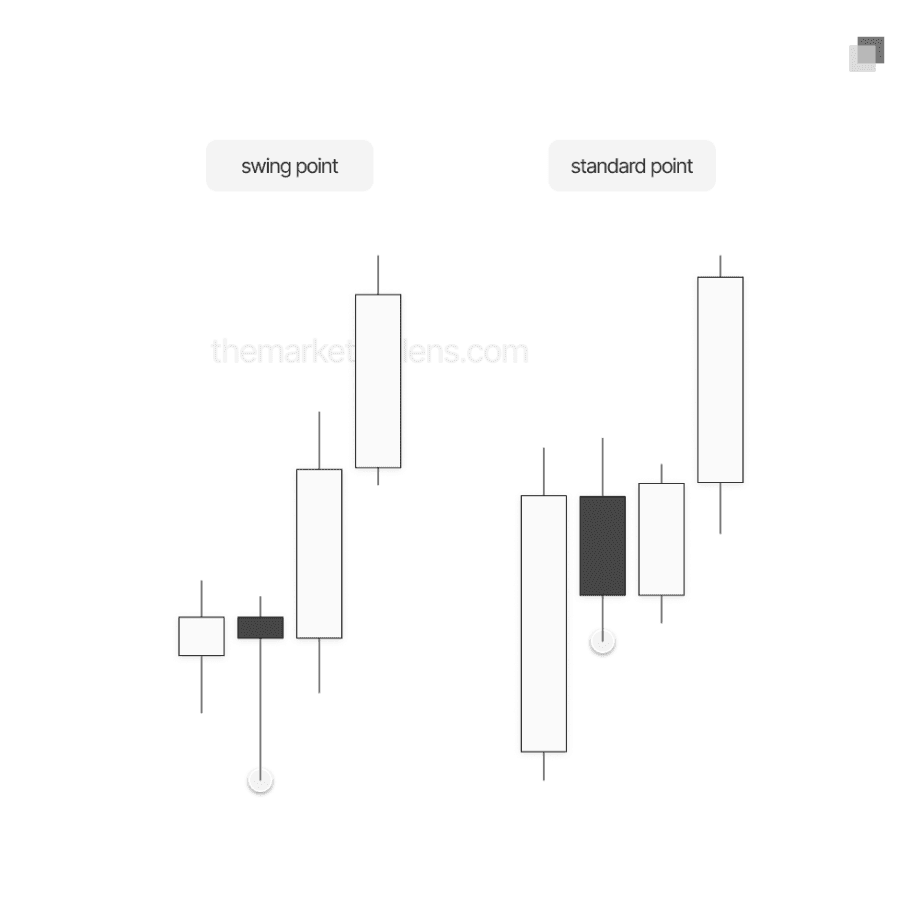
Swing point: A high with two lower highs to both sides, or a low with two higher lows to both sides.
Swing point: A high with two lower highs to both sides, or a low with two higher lows to both sides.
Swing point: A high with two lower highs to both sides, or a low with two higher lows to both sides.
Standard point: A high or low that does not form part of a swing structure. Both are displayed in the image below.
Standard point: A high or low that does not form part of a swing structure. Both are displayed in the image below.
Standard point: A high or low that does not form part of a swing structure. Both are displayed in the image below.
Relevant Swing Point
Relevant Swing Point
Relevant Swing Point
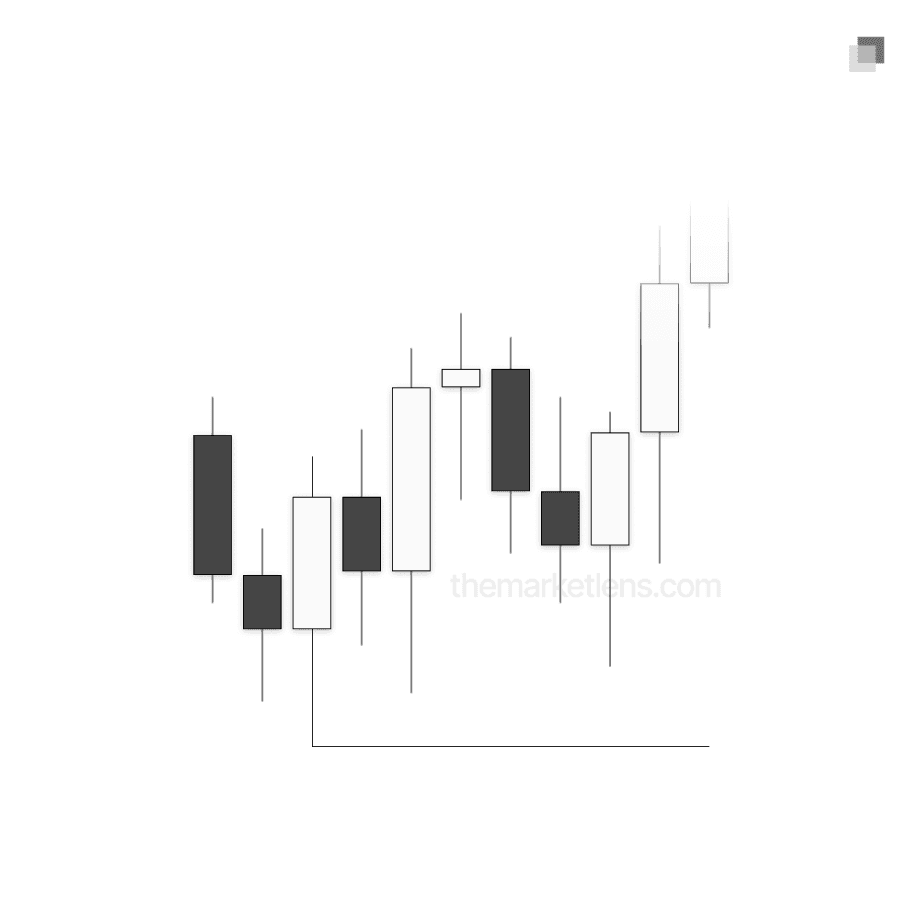
The first scenario follows the same logic introduced in the beginner relevant swings lesson, using solitary swing points and the definition of failure swings. While nothing changes with that foundation, more nuanced scenarios beyond this can now be introduced to create additional valid opportunities.
The first scenario follows the same logic introduced in the beginner relevant swings lesson, using solitary swing points and the definition of failure swings. While nothing changes with that foundation, more nuanced scenarios beyond this can now be introduced to create additional valid opportunities.
The first scenario follows the same logic introduced in the beginner relevant swings lesson, using solitary swing points and the definition of failure swings. While nothing changes with that foundation, more nuanced scenarios beyond this can now be introduced to create additional valid opportunities.
Applying Standard Points
Applying Standard Points
Applying Standard Points
When a swing point in the market is acting as a potential relevant swing, the first step is to look left within the defined lookback period. In many cases a standard point from a previous continuation leg will appear in close proximity, which can potentially turn the swing point into a failure swing. Determining whether the standard point overrides the swing point comes down to two scenarios.
When a swing point in the market is acting as a potential relevant swing, the first step is to look left within the defined lookback period. In many cases a standard point from a previous continuation leg will appear in close proximity, which can potentially turn the swing point into a failure swing. Determining whether the standard point overrides the swing point comes down to two scenarios.
When a swing point in the market is acting as a potential relevant swing, the first step is to look left within the defined lookback period. In many cases a standard point from a previous continuation leg will appear in close proximity, which can potentially turn the swing point into a failure swing. Determining whether the standard point overrides the swing point comes down to two scenarios.
Small Wick Standard Point
Small Wick Standard Point
Small Wick Standard Point
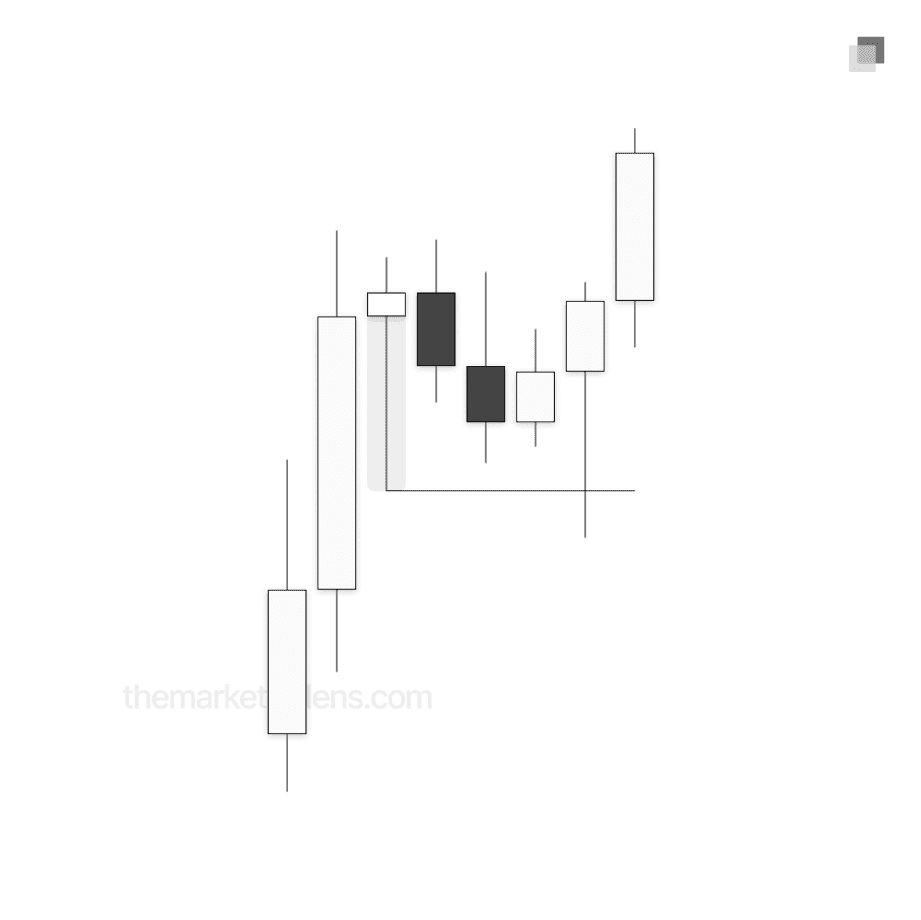
If the daily standard point has a small wick, it is considered irrelevant and the swing point remains the relevant swing. The reason is that higher timeframe candles reflect lower timeframe price action. On an hourly chart, a small wick on the daily translates into an undefined high or low within the continuation leg, which can be ignored.
If the daily standard point has a small wick, it is considered irrelevant and the swing point remains the relevant swing. The reason is that higher timeframe candles reflect lower timeframe price action. On an hourly chart, a small wick on the daily translates into an undefined high or low within the continuation leg, which can be ignored.
If the daily standard point has a small wick, it is considered irrelevant and the swing point remains the relevant swing. The reason is that higher timeframe candles reflect lower timeframe price action. On an hourly chart, a small wick on the daily translates into an undefined high or low within the continuation leg, which can be ignored.
Large Wick Standard Point
Large Wick Standard Point
Large Wick Standard Point
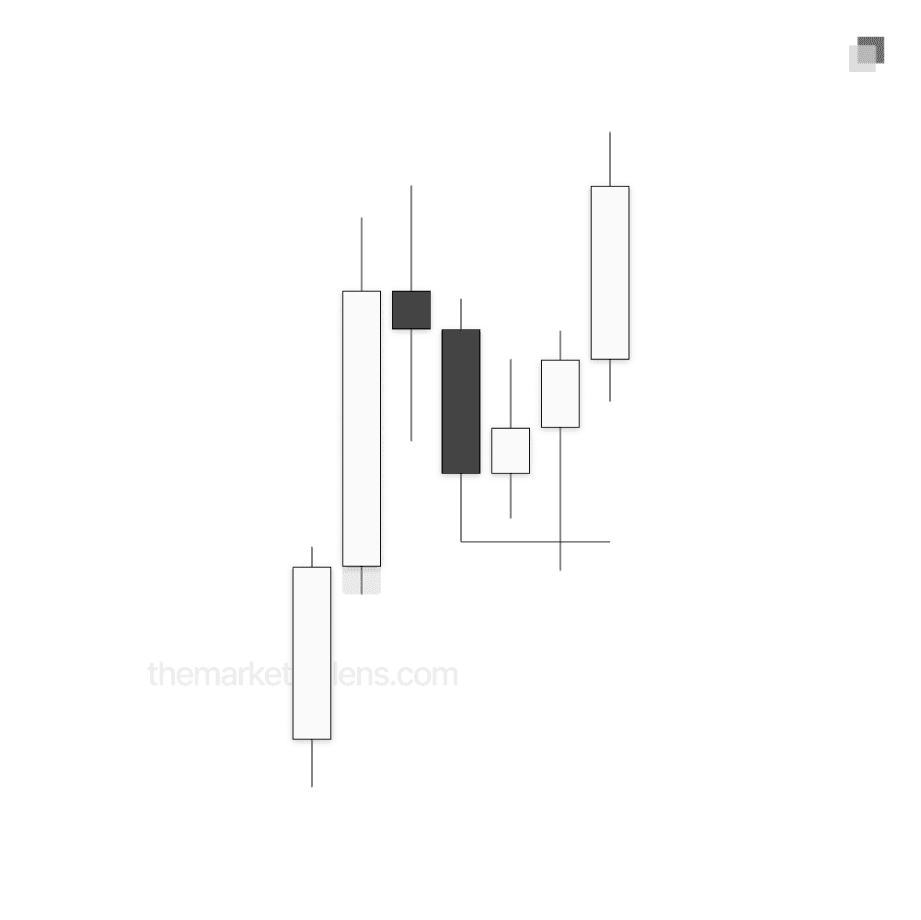
If the standard point daily candle has a large wick, it is considered relevant in the market. A large wick on the daily candle represents a more defined high or low on an hourly timeframe. In this case, the swing point does not override the standard point. The standard point becomes the high or low that must be marked as the relevant swing to watch for a reaction.
If the standard point daily candle has a large wick, it is considered relevant in the market. A large wick on the daily candle represents a more defined high or low on an hourly timeframe. In this case, the swing point does not override the standard point. The standard point becomes the high or low that must be marked as the relevant swing to watch for a reaction.
If the standard point daily candle has a large wick, it is considered relevant in the market. A large wick on the daily candle represents a more defined high or low on an hourly timeframe. In this case, the swing point does not override the standard point. The standard point becomes the high or low that must be marked as the relevant swing to watch for a reaction.
No Swing Points
No Swing Points
No Swing Points
The final scenario in identifying relevant swings occurs when no daily swing points exist in close proximity to current price. This is most commonly found in daily continuation legs. Under the previous framework this would prevent participation, but opportunities can still be found in this condition.
The final scenario in identifying relevant swings occurs when no daily swing points exist in close proximity to current price. This is most commonly found in daily continuation legs. Under the previous framework this would prevent participation, but opportunities can still be found in this condition.
The final scenario in identifying relevant swings occurs when no daily swing points exist in close proximity to current price. This is most commonly found in daily continuation legs. Under the previous framework this would prevent participation, but opportunities can still be found in this condition.
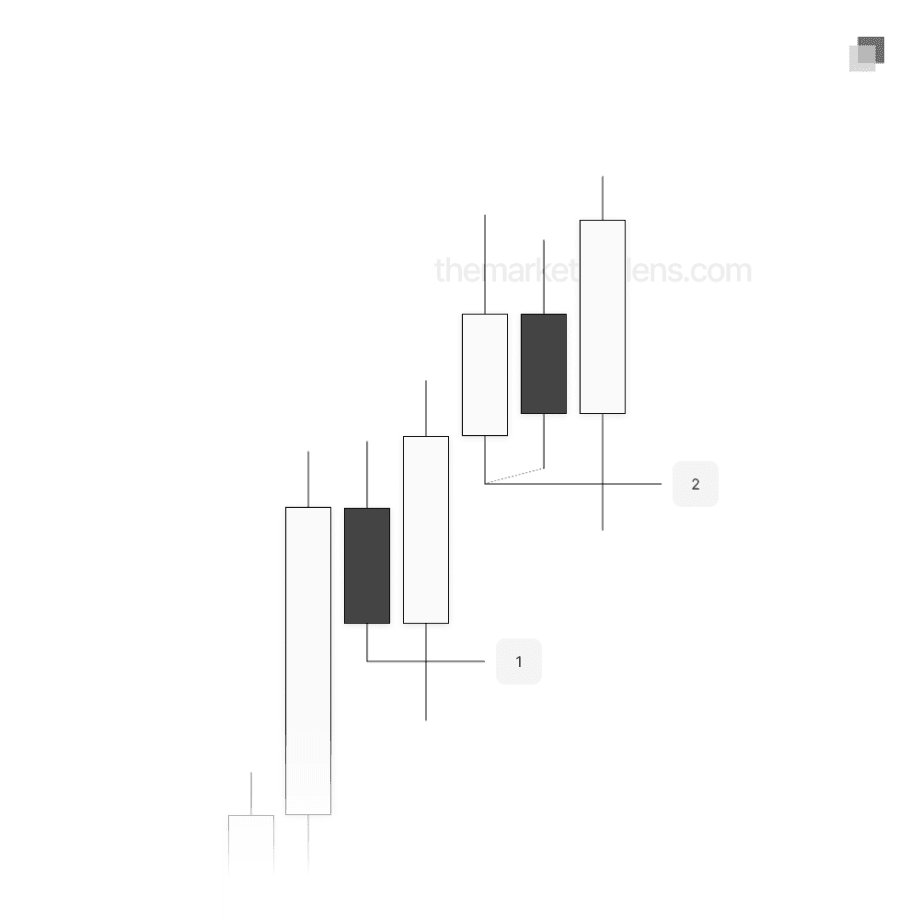
If a standard point has not established a reversal and is not a failure swing to another daily high or low to the left, it can be used as a relevant swing.
If a standard point has not established a reversal and is not a failure swing to another daily high or low to the left, it can be used as a relevant swing.
If a standard point has not established a reversal and is not a failure swing to another daily high or low to the left, it can be used as a relevant swing.
If the standard point in this scenario is a failure swing to a daily high or low to the left, the relevant swing is identified as that extreme high or low, consistent with the definition of failure swings.
If the standard point in this scenario is a failure swing to a daily high or low to the left, the relevant swing is identified as that extreme high or low, consistent with the definition of failure swings.
If the standard point in this scenario is a failure swing to a daily high or low to the left, the relevant swing is identified as that extreme high or low, consistent with the definition of failure swings.
Through all of these new scenarios, the understanding of valid separation between relevant swings remains crucial.
Through all of these new scenarios, the understanding of valid separation between relevant swings remains crucial.
Through all of these new scenarios, the understanding of valid separation between relevant swings remains crucial.
Intraday Reactions
Intraday Reactions
Intraday Reactions
Reactions at relevant swings can be replicated on lower timeframes to define intraday direction. This makes it possible to capture opportunity on the same day that price engages a relevant swing, rather than waiting for the daily candle to close and trading the following day.
Reactions at relevant swings can be replicated on lower timeframes to define intraday direction. This makes it possible to capture opportunity on the same day that price engages a relevant swing, rather than waiting for the daily candle to close and trading the following day.
Reactions at relevant swings can be replicated on lower timeframes to define intraday direction. This makes it possible to capture opportunity on the same day that price engages a relevant swing, rather than waiting for the daily candle to close and trading the following day.
The reactions remain the same. Price either manipulates to reverse or fails to manipulate and continues through. The difference on an intraday basis is that the process is more detailed and requires faster execution.
The reactions remain the same. Price either manipulates to reverse or fails to manipulate and continues through. The difference on an intraday basis is that the process is more detailed and requires faster execution.
The reactions remain the same. Price either manipulates to reverse or fails to manipulate and continues through. The difference on an intraday basis is that the process is more detailed and requires faster execution.
Manipulation
Manipulation
Manipulation
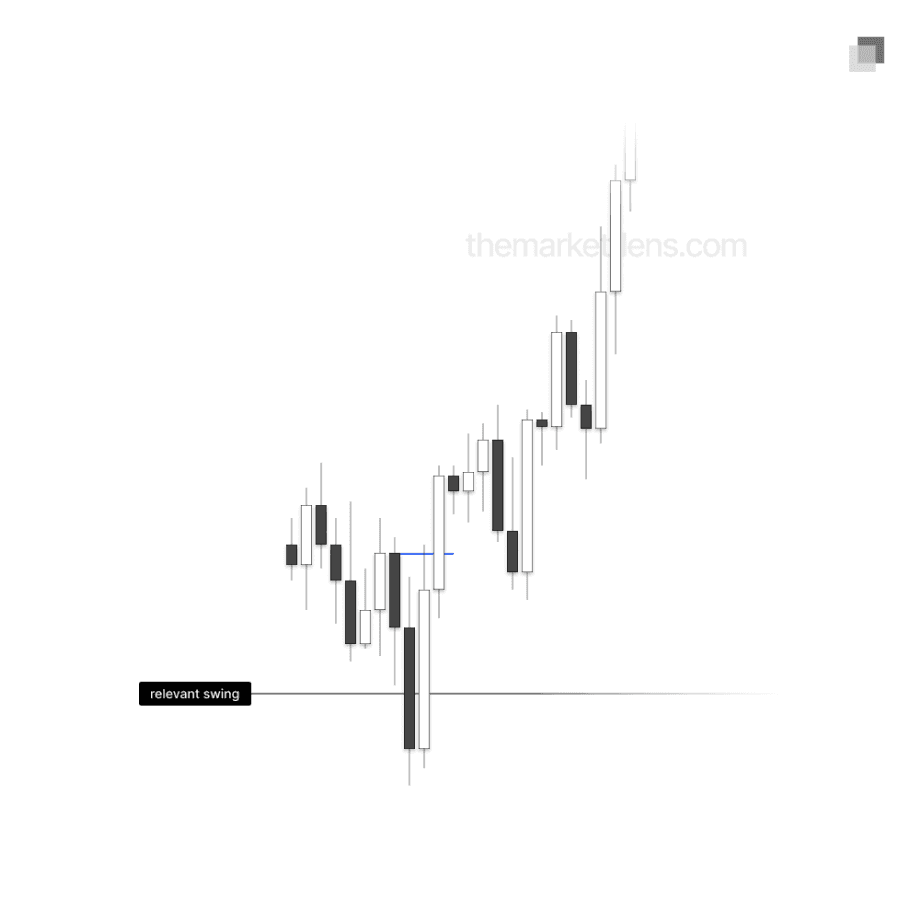
As explained in the Price Signatures prerequisite, valid manipulations display repeating tendencies. Price should make a shallow run through the relevant swing followed by a fast reaction back into the range. This behavior shows intent to manipulate, which is fully confirmed when it aligns with a daily profile and the process associated with it.
As explained in the Price Signatures prerequisite, valid manipulations display repeating tendencies. Price should make a shallow run through the relevant swing followed by a fast reaction back into the range. This behavior shows intent to manipulate, which is fully confirmed when it aligns with a daily profile and the process associated with it.
As explained in the Price Signatures prerequisite, valid manipulations display repeating tendencies. Price should make a shallow run through the relevant swing followed by a fast reaction back into the range. This behavior shows intent to manipulate, which is fully confirmed when it aligns with a daily profile and the process associated with it.
Manipulation of a relevant low requires alignment with a bullish daily profile. Manipulation of a relevant high requires alignment with a bearish daily profile. A change in state of delivery acts as the confirmation.
Manipulation of a relevant low requires alignment with a bullish daily profile. Manipulation of a relevant high requires alignment with a bearish daily profile. A change in state of delivery acts as the confirmation.
Manipulation of a relevant low requires alignment with a bullish daily profile. Manipulation of a relevant high requires alignment with a bearish daily profile. A change in state of delivery acts as the confirmation.
Breakout
Breakout
Breakout
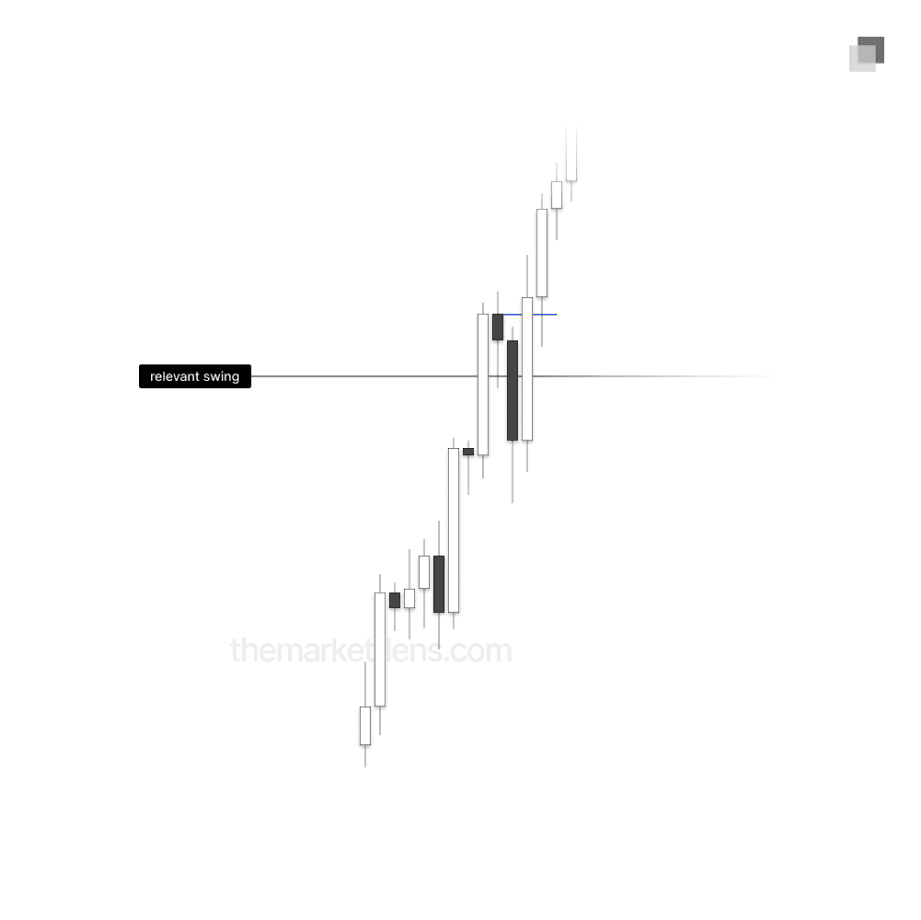
A breakout occurs when price fails to manipulate a relevant swing. Under the correct conditions, the expectation is for price to continue through. On the lower timeframes, this signature forms when price trades through the relevant swing, prints an opposing candle or series, and then closes back through it. Manipulations should react quickly back into the range, but this behavior shows the opposite and confirms a failure to manipulate.
A breakout occurs when price fails to manipulate a relevant swing. Under the correct conditions, the expectation is for price to continue through. On the lower timeframes, this signature forms when price trades through the relevant swing, prints an opposing candle or series, and then closes back through it. Manipulations should react quickly back into the range, but this behavior shows the opposite and confirms a failure to manipulate.
A breakout occurs when price fails to manipulate a relevant swing. Under the correct conditions, the expectation is for price to continue through. On the lower timeframes, this signature forms when price trades through the relevant swing, prints an opposing candle or series, and then closes back through it. Manipulations should react quickly back into the range, but this behavior shows the opposite and confirms a failure to manipulate.
Daily profile alignment can be present with a breakout signature, but it is less of a factor. Other elements and steps carry more weight in this process.
Daily profile alignment can be present with a breakout signature, but it is less of a factor. Other elements and steps carry more weight in this process.
Daily profile alignment can be present with a breakout signature, but it is less of a factor. Other elements and steps carry more weight in this process.
A breakout assumes the daily candle has already experienced a degree of continuation to reach the relevant swing. For this reason it is important to gauge how much of the daily range has been taken before the breakout attempt. If price has already made a significant intraday expansion to reach the relevant swing, the breakout is less favorable because the range may be capped. The best context is when price reaches the relevant swing without a large move already in place, leaving more room for the breakout to follow through.
A breakout assumes the daily candle has already experienced a degree of continuation to reach the relevant swing. For this reason it is important to gauge how much of the daily range has been taken before the breakout attempt. If price has already made a significant intraday expansion to reach the relevant swing, the breakout is less favorable because the range may be capped. The best context is when price reaches the relevant swing without a large move already in place, leaving more room for the breakout to follow through.
A breakout assumes the daily candle has already experienced a degree of continuation to reach the relevant swing. For this reason it is important to gauge how much of the daily range has been taken before the breakout attempt. If price has already made a significant intraday expansion to reach the relevant swing, the breakout is less favorable because the range may be capped. The best context is when price reaches the relevant swing without a large move already in place, leaving more room for the breakout to follow through.
Timeframe alignment mirrors the logic used in daily profiles. Breakout signatures during the London session are judged on the 30-minute and 15-minute timeframes. Breakout signatures during the New York session are judged on the 15-minute and 5-minute timeframes.
Timeframe alignment mirrors the logic used in daily profiles. Breakout signatures during the London session are judged on the 30-minute and 15-minute timeframes. Breakout signatures during the New York session are judged on the 15-minute and 5-minute timeframes.
Timeframe alignment mirrors the logic used in daily profiles. Breakout signatures during the London session are judged on the 30-minute and 15-minute timeframes. Breakout signatures during the New York session are judged on the 15-minute and 5-minute timeframes.

The standard for trading education and guidance
2026 The Market Lens - All Rights Reserved
The standard for trading education and guidance
2026 The Market Lens - All Rights Reserved
The standard for trading education and guidance