


Confirmation
Confirmation
Lesson 3 : Invalidation Points
Lesson 3 : Invalidation Points
Lesson 3 : Invalidation Points
Advanced
Advanced
6 min
6 min
True Invalidation
True Invalidation
True Invalidation
The method of noting invalidation points in the previous day’s candle when trading continuation days remains the same as outlined in the beginner lesson. The difference in this advanced lesson is the focus on when to keep ideas valid and when invalidation points should not be applied.
The method of noting invalidation points in the previous day’s candle when trading continuation days remains the same as outlined in the beginner lesson. The difference in this advanced lesson is the focus on when to keep ideas valid and when invalidation points should not be applied.
The method of noting invalidation points in the previous day’s candle when trading continuation days remains the same as outlined in the beginner lesson. The difference in this advanced lesson is the focus on when to keep ideas valid and when invalidation points should not be applied.
The original framework established that once price reaches the invalidation point, the bias in that direction is no longer valid. At this stage nuance is introduced to show when additional room can be allowed for the market to play out.
The original framework established that once price reaches the invalidation point, the bias in that direction is no longer valid. At this stage nuance is introduced to show when additional room can be allowed for the market to play out.
The original framework established that once price reaches the invalidation point, the bias in that direction is no longer valid. At this stage nuance is introduced to show when additional room can be allowed for the market to play out.
If price trades into the invalidation point but only with a shallow move before quickly reversing away, the bias can still be considered valid. This behavior shows the willingness of the market to respect the initial framework.
If price trades into the invalidation point but only with a shallow move before quickly reversing away, the bias can still be considered valid. This behavior shows the willingness of the market to respect the initial framework.
If price trades into the invalidation point but only with a shallow move before quickly reversing away, the bias can still be considered valid. This behavior shows the willingness of the market to respect the initial framework.
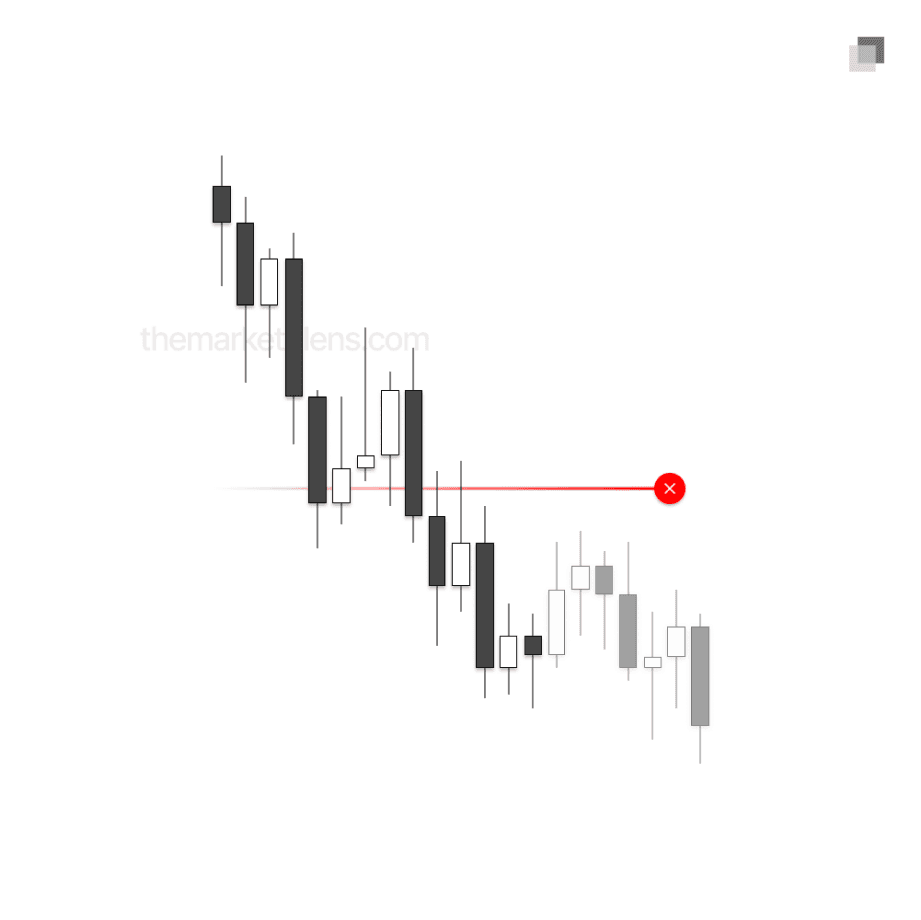
An additional layer must be considered when the previous day had a range that was significantly above average. In this case, the rule does not carry the same weight. If price reaches the invalidation point after an extreme daily range, it signals that the opposing run was also extreme. Under these conditions the bias is more likely to remain invalid even after price tests the level.
An additional layer must be considered when the previous day had a range that was significantly above average. In this case, the rule does not carry the same weight. If price reaches the invalidation point after an extreme daily range, it signals that the opposing run was also extreme. Under these conditions the bias is more likely to remain invalid even after price tests the level.
An additional layer must be considered when the previous day had a range that was significantly above average. In this case, the rule does not carry the same weight. If price reaches the invalidation point after an extreme daily range, it signals that the opposing run was also extreme. Under these conditions the bias is more likely to remain invalid even after price tests the level.
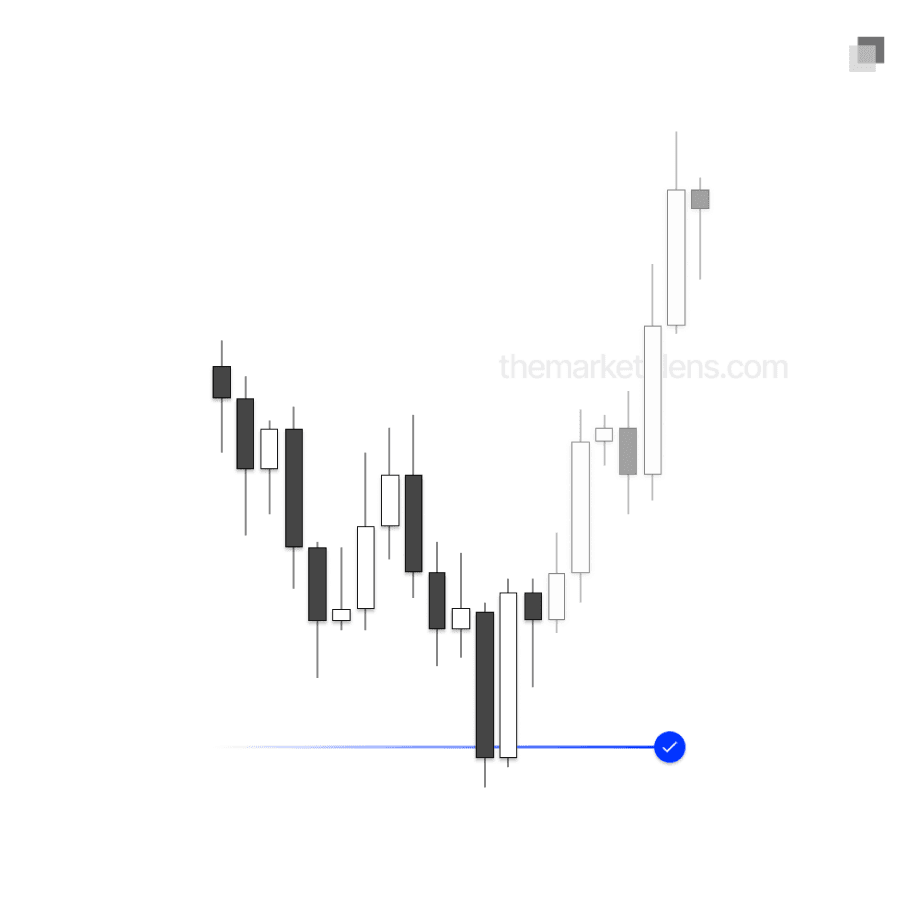
If price fails to make a quick move off the previous day invalidation point and instead trades deep through it, the idea is considered invalid. This follows the same logic as manipulations at relevant levels, where the move should be shallow and immediate in order to reverse with high likeliness.
If price fails to make a quick move off the previous day invalidation point and instead trades deep through it, the idea is considered invalid. This follows the same logic as manipulations at relevant levels, where the move should be shallow and immediate in order to reverse with high likeliness.
If price fails to make a quick move off the previous day invalidation point and instead trades deep through it, the idea is considered invalid. This follows the same logic as manipulations at relevant levels, where the move should be shallow and immediate in order to reverse with high likeliness.
Avoiding Invalidation points
Avoiding Invalidation points
Avoiding Invalidation points
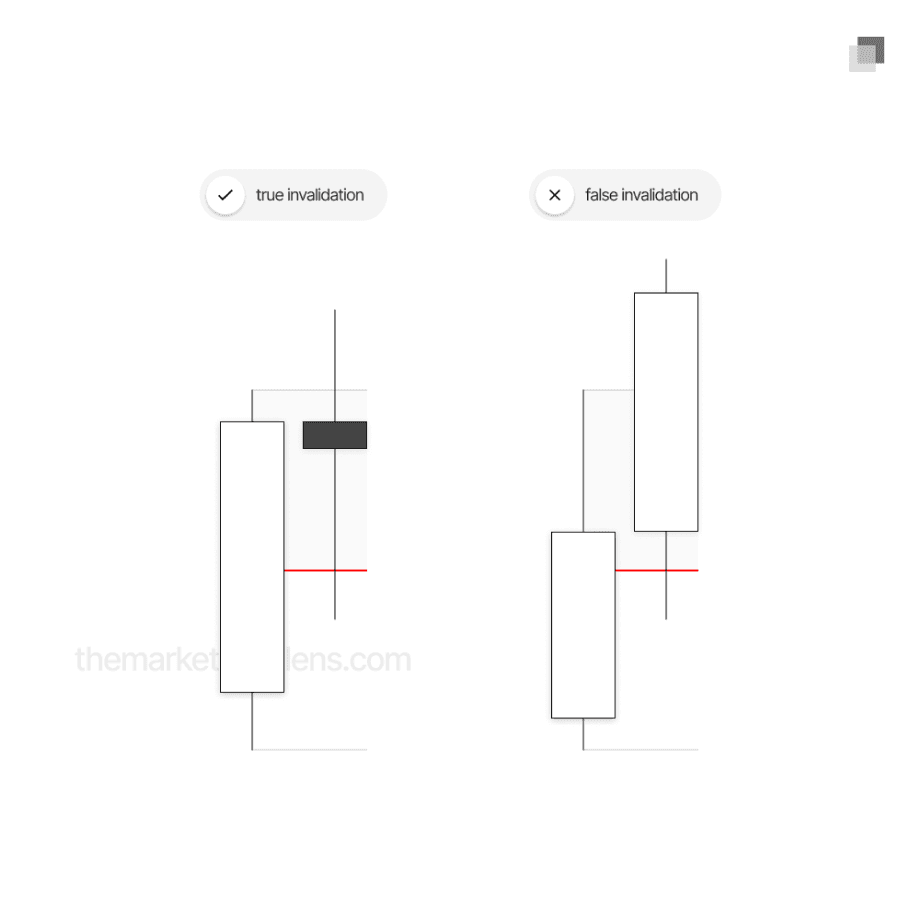
There are scenarios where setting an invalidation point in the previous daily candle is not correct. This depends entirely on how the previous day closed. If the candle closes far off its high or low, it does not provide enough range to enforce the principle of judging between a small wick and a large wick.
There are scenarios where setting an invalidation point in the previous daily candle is not correct. This depends entirely on how the previous day closed. If the candle closes far off its high or low, it does not provide enough range to enforce the principle of judging between a small wick and a large wick.
There are scenarios where setting an invalidation point in the previous daily candle is not correct. This depends entirely on how the previous day closed. If the candle closes far off its high or low, it does not provide enough range to enforce the principle of judging between a small wick and a large wick.
For a bullish continuation day, if the previous daily candle closes lower off its high, an invalidation point should not be set. The distance from the new day’s open to the invalidation point below is not sufficient to logically enforce the small wick condition.
For a bullish continuation day, if the previous daily candle closes lower off its high, an invalidation point should not be set. The distance from the new day’s open to the invalidation point below is not sufficient to logically enforce the small wick condition.
For a bullish continuation day, if the previous daily candle closes lower off its high, an invalidation point should not be set. The distance from the new day’s open to the invalidation point below is not sufficient to logically enforce the small wick condition.
For a bearish continuation day, if the previous daily candle closes higher off its low, an invalidation point should not be set. The distance from the new day’s open to the invalidation point above is not sufficient to logically enforce the small wick condition.
For a bearish continuation day, if the previous daily candle closes higher off its low, an invalidation point should not be set. The distance from the new day’s open to the invalidation point above is not sufficient to logically enforce the small wick condition.
For a bearish continuation day, if the previous daily candle closes higher off its low, an invalidation point should not be set. The distance from the new day’s open to the invalidation point above is not sufficient to logically enforce the small wick condition.
The image below illustrates how closes at the extremes provide proper range to distinguish between a large wick and a small wick, while closes deeper within the range fail to offer that distinction.
The image below illustrates how closes at the extremes provide proper range to distinguish between a large wick and a small wick, while closes deeper within the range fail to offer that distinction.
The image below illustrates how closes at the extremes provide proper range to distinguish between a large wick and a small wick, while closes deeper within the range fail to offer that distinction.
Daily Divergences
Daily Divergences
Daily Divergences
Divergences off previous day highs or lows that are being traded away from change the conditions for setting invalidation points in previous daily candles.
Divergences off previous day highs or lows that are being traded away from change the conditions for setting invalidation points in previous daily candles.
Divergences off previous day highs or lows that are being traded away from change the conditions for setting invalidation points in previous daily candles.
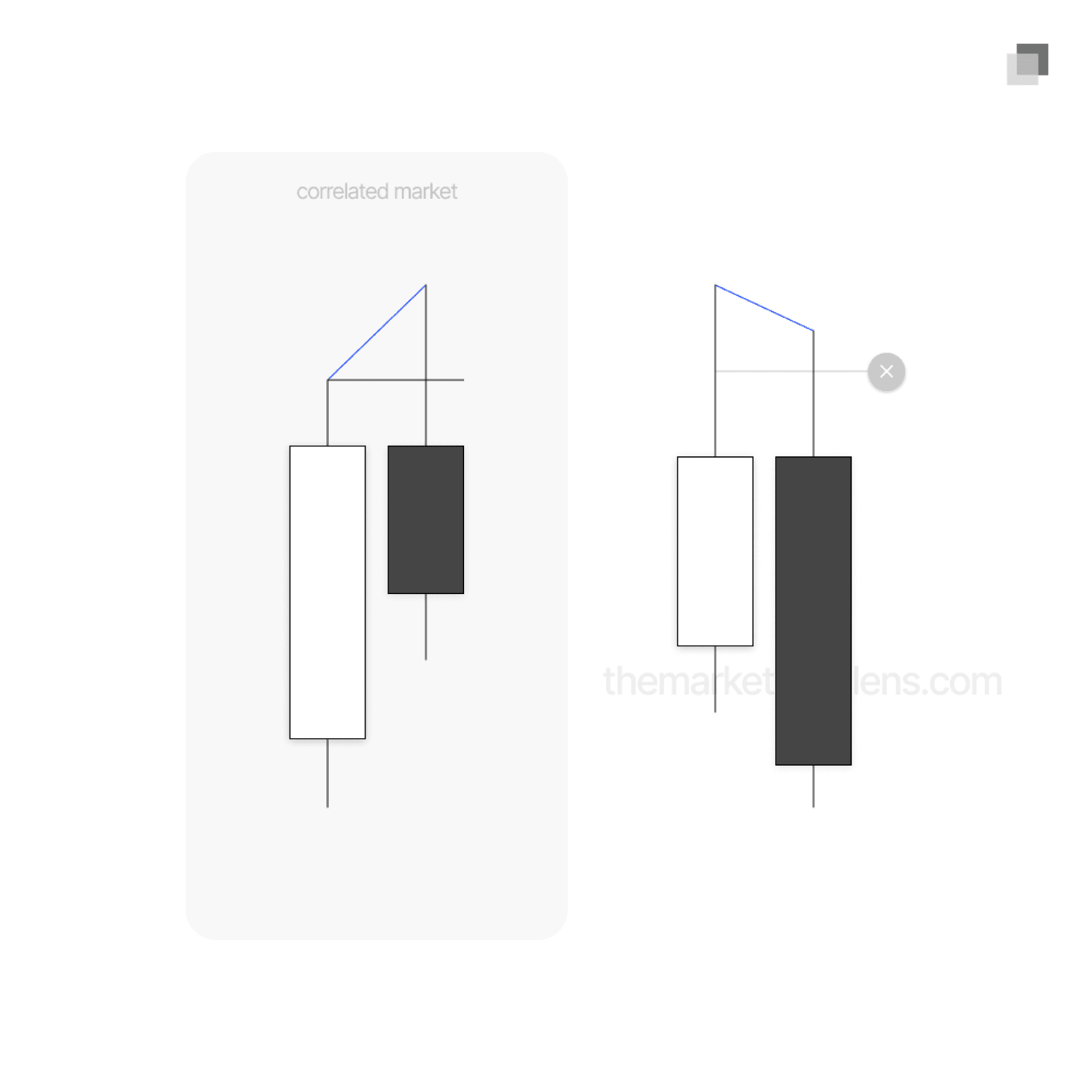
For a bullish continuation day, if a correlated pair develops a divergence by running out the previous day low, no invalidation point is placed in the previous daily candle of the other pair. Price can trade as low as needed into the previous day low without taking it out, and the divergence framework remains intact.
For a bullish continuation day, if a correlated pair develops a divergence by running out the previous day low, no invalidation point is placed in the previous daily candle of the other pair. Price can trade as low as needed into the previous day low without taking it out, and the divergence framework remains intact.
For a bullish continuation day, if a correlated pair develops a divergence by running out the previous day low, no invalidation point is placed in the previous daily candle of the other pair. Price can trade as low as needed into the previous day low without taking it out, and the divergence framework remains intact.
For a bearish continuation day, if a correlated pair develops a divergence by running out the previous day high, no invalidation point is placed in the previous daily candle of the other pair. Price can trade as high as needed into the previous day high without taking it out, and the divergence framework remains intact.
For a bearish continuation day, if a correlated pair develops a divergence by running out the previous day high, no invalidation point is placed in the previous daily candle of the other pair. Price can trade as high as needed into the previous day high without taking it out, and the divergence framework remains intact.
For a bearish continuation day, if a correlated pair develops a divergence by running out the previous day high, no invalidation point is placed in the previous daily candle of the other pair. Price can trade as high as needed into the previous day high without taking it out, and the divergence framework remains intact.
The image below illustrates this logic. Invalidation points should not be set in these cases, as doing so may cause avoidance of days that remain fully valid within the higher timeframe framework.
The image below illustrates this logic. Invalidation points should not be set in these cases, as doing so may cause avoidance of days that remain fully valid within the higher timeframe framework.
The image below illustrates this logic. Invalidation points should not be set in these cases, as doing so may cause avoidance of days that remain fully valid within the higher timeframe framework.

The standard for trading education and guidance
2026 The Market Lens - All Rights Reserved
The standard for trading education and guidance
2026 The Market Lens - All Rights Reserved
The standard for trading education and guidance